












Why the Under-Eye Area Ages Faster
Dr Kowsar Hoque
Jan 20, 2026
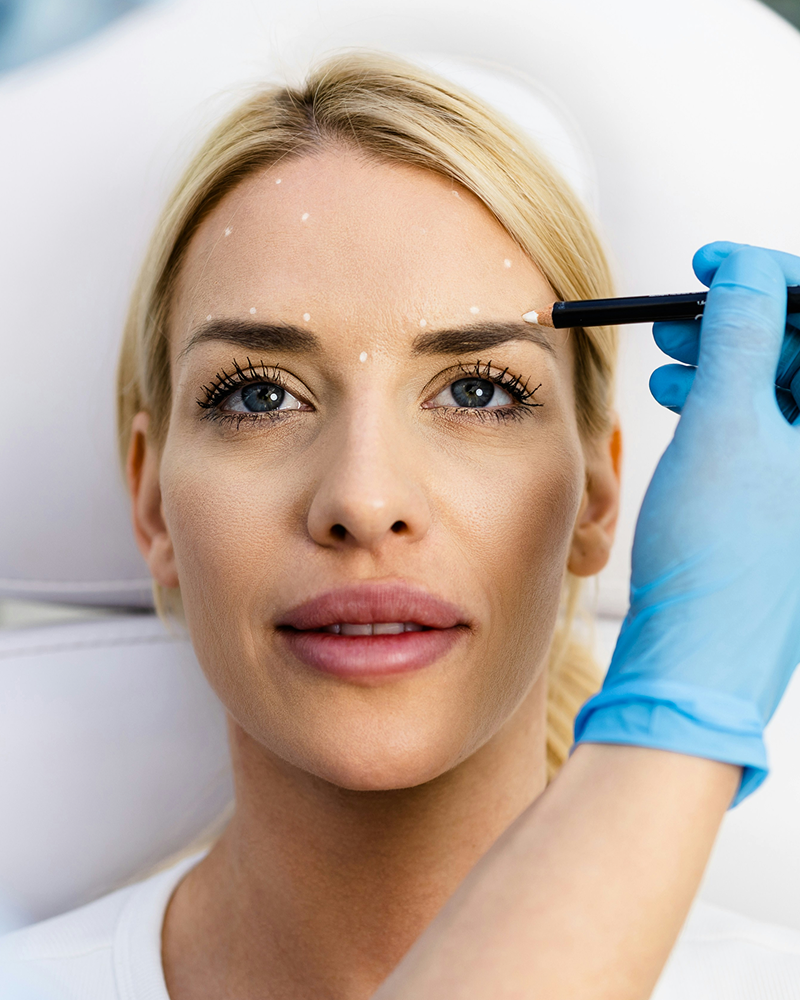
The under-eye area is often the first place people notice visible signs of ageing. Even those with otherwise healthy skin may find that dark circles, hollowness, or fine lines around the eyes appear earlier than expected. For many, these changes create a permanently tired or worn look, regardless of sleep or lifestyle.
What makes the eye area particularly challenging is that ageing here is rarely caused by just one factor. Skin quality, facial structure, circulation, genetics, and muscle activity all play a role. Understanding why the under-eye area changes — and what non-surgical options are commonly explored — can help people make more informed and realistic decisions.
Why the under-eye area is so vulnerable
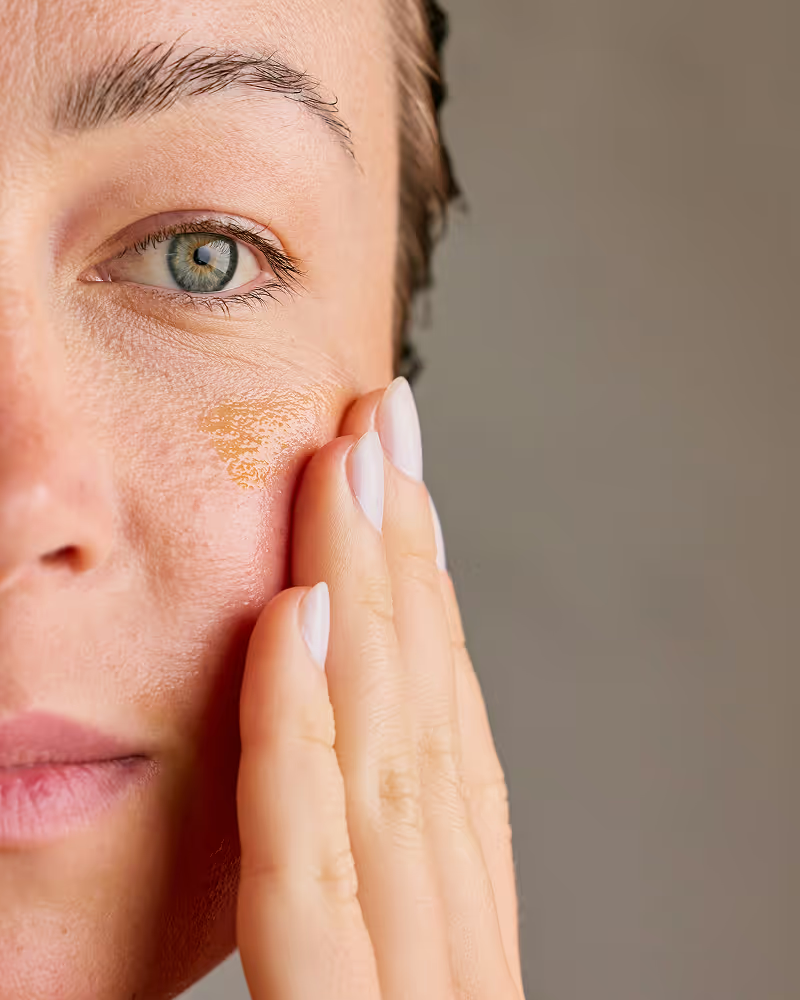
The skin beneath the eyes is thinner and more delicate than almost anywhere else on the face. It contains fewer oil glands, less collagen, and minimal underlying fat, which means it has less natural support as the face ages.
As collagen and elastin levels decline over time, the under-eye skin can become increasingly fragile. This often makes fine lines more visible and allows underlying structures, such as blood vessels or shadowing from bone contours, to show through more clearly.
External factors can accelerate these changes. Sun exposure, dehydration, smoking, allergies, and frequent eye rubbing all contribute to skin stress in this area. Because the under-eyes are constantly in motion — blinking, squinting, smiling — they are also more susceptible to early expression-related changes.
Common under-eye concerns people experience
Although under-eye ageing is often grouped together, it usually presents in different ways depending on individual anatomy and genetics.
Dark circles
Dark circles are one of the most common complaints. In some cases, they are caused by pigmentation changes in the skin. In others, the darkness comes from visible blood vessels beneath thin skin, or shadowing created by volume loss and bone structure.
This is why treatments that work well for one person’s dark circles may not be suitable for another. Understanding the underlying cause is essential before considering any aesthetic option.
Hollowness and tear troughs
Hollowness under the eyes often develops as fat pads in the mid-face and under-eye area reduce or shift with age. This can create a sunken appearance, sometimes referred to as a tear trough.
Hollowness doesn’t just affect appearance — it can exaggerate shadows, making the eyes look darker and more tired. This concern is commonly discussed within broader under-eye concerns, as it often overlaps with other ageing changes.
Fine lines and crepiness
As skin quality declines, fine lines may appear under the eyes, particularly when smiling or squinting. Over time, these lines can become more noticeable at rest, especially if the skin is dehydrated or has lost elasticity.
Crepiness — a thin, wrinkled texture — is another common issue and is usually linked to reduced collagen and hydration rather than muscle movement alone.
Why skincare alone often isn’t enough
Many people initially try to address under-eye ageing with topical products. While good skincare can support hydration and barrier function, it has limitations — particularly when structural or volume-related changes are involved.
Eye creams may temporarily improve the appearance of dryness or fine lines, but they cannot replace lost volume or significantly stimulate collagen production in deeper layers of the skin. This is often why people feel that they are “doing everything right” with skincare but still look tired.
When under-eye concerns persist despite consistent skincare, some individuals begin exploring non-surgical aesthetic options.
Non-surgical options people commonly explore
Modern non-surgical treatments for the under-eye area are designed to be conservative, targeted, and anatomy-specific. Because this area is delicate, treatment choice and practitioner experience are especially important.
Some options focus on improving skin quality and hydration, while others address volume loss or support collagen regeneration over time. A full overview of available approaches can be found on the treatments page.
Treatments focused on volume support
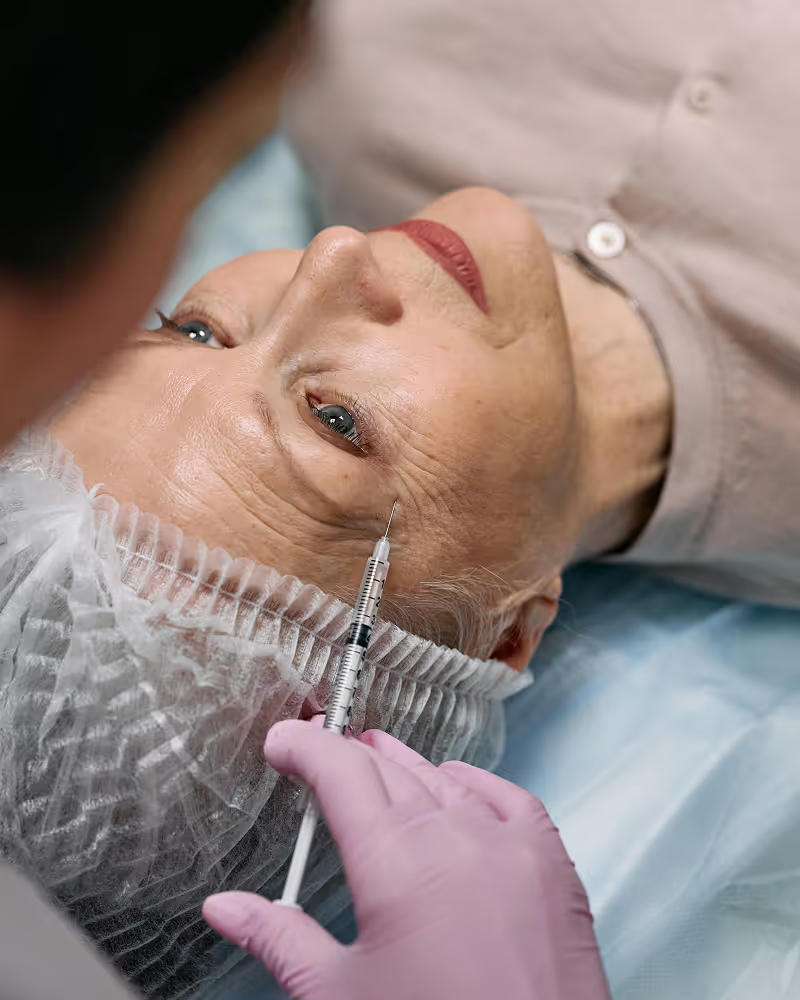
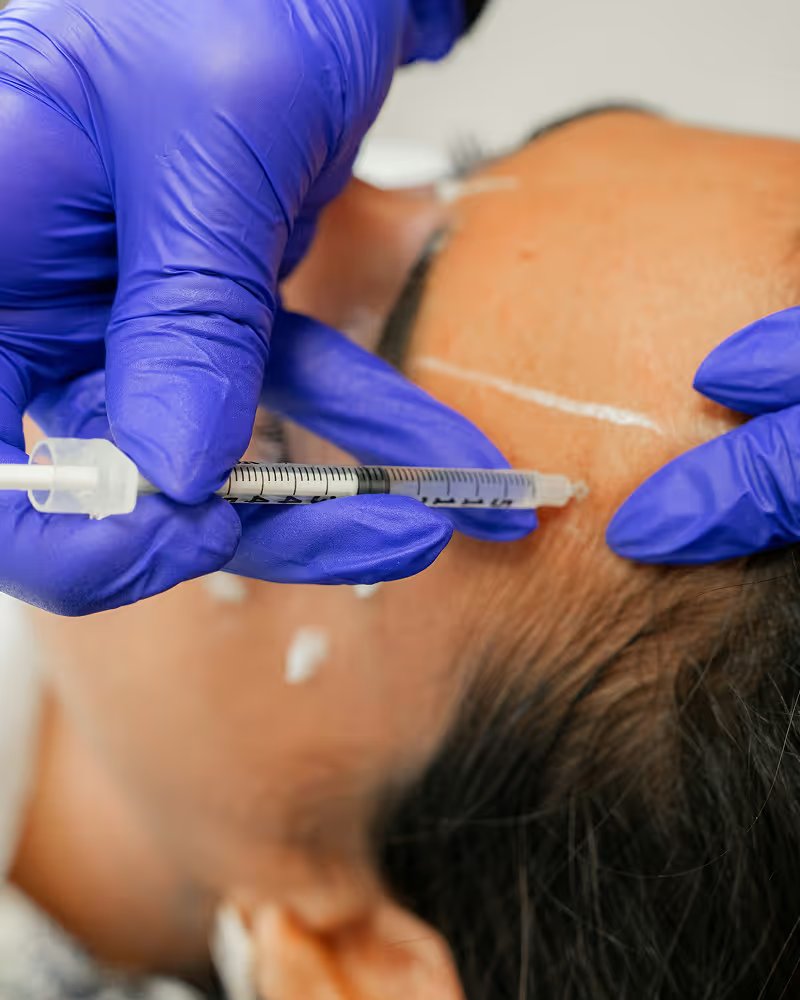
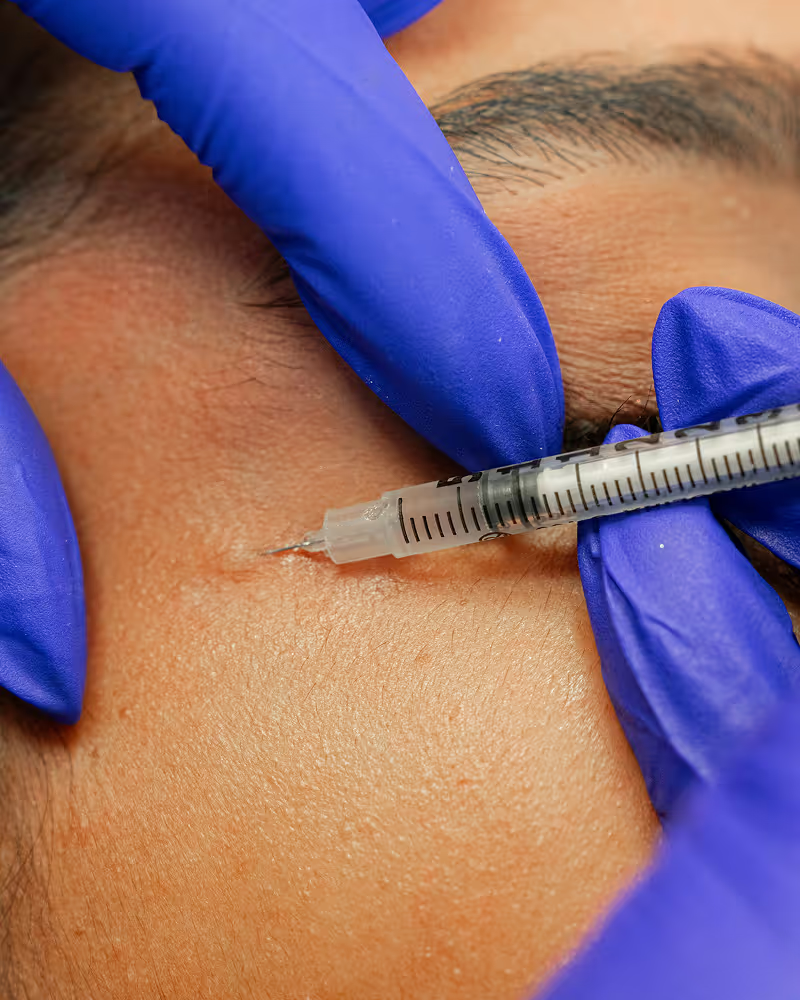
In cases where hollowness is the main concern, injectable treatments designed to support volume may be discussed. Tear trough filler, for example, is sometimes explored to soften the transition between the lower eyelid and cheek, reducing shadowing and hollow appearance.
These treatments are highly technique-dependent and are not suitable for everyone. Factors such as skin thickness, lymphatic drainage, and existing puffiness must be carefully assessed.
Treatments focused on skin quality
For people whose primary concern is thin, crepey skin or fine lines, skin-focused treatments may be more appropriate. These treatments aim to improve hydration, elasticity, and overall skin quality rather than adding volume.
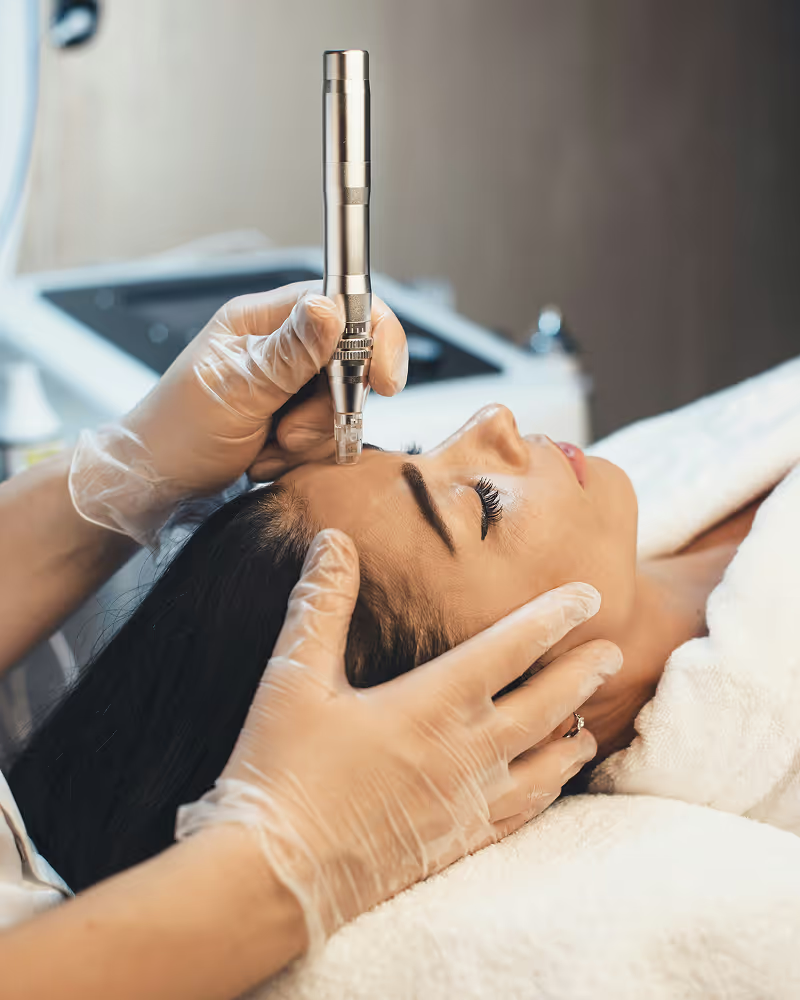
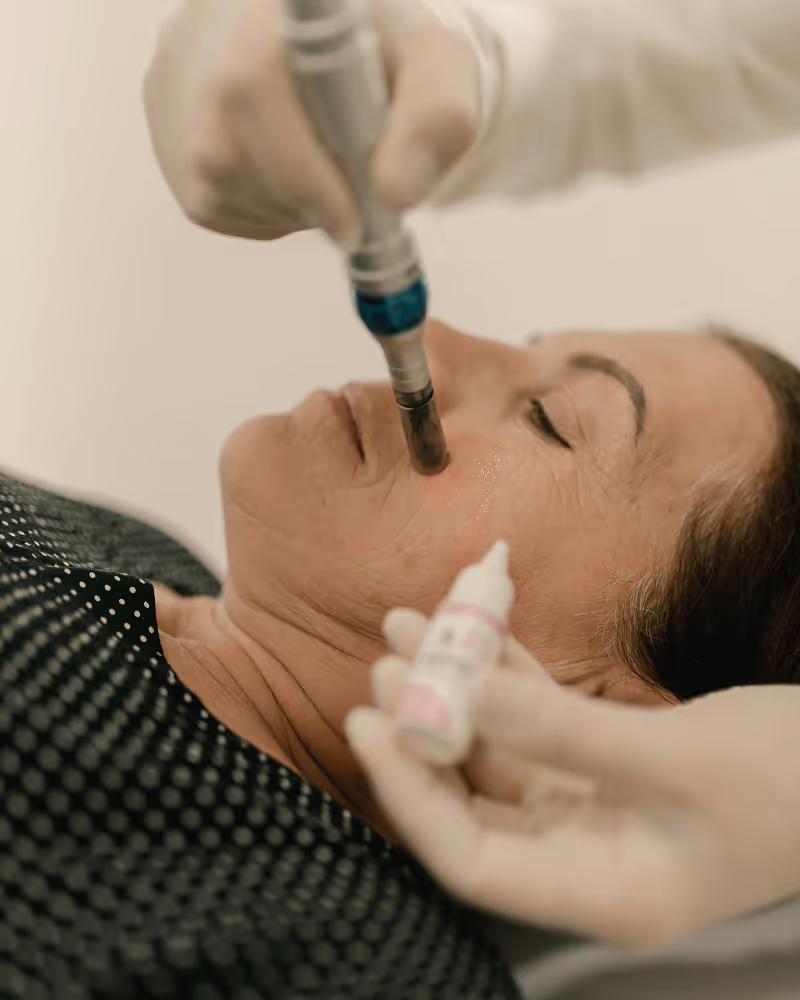
Options in this category include regenerative or biostimulatory approaches that support the skin’s natural repair processes over time. Polynucleotide-based treatments and platelet-rich plasma therapies are often discussed in this context.
Regenerative approaches
Some individuals explore regenerative treatments that use components derived from the body or bio-engineered sources to encourage collagen production and tissue repair. These treatments are typically chosen by people seeking gradual improvement rather than immediate change.
More information on these approaches can be found within individual treatment pages such as PRP-based therapies or exosome-focused treatments.
Why under-eye treatments are often combined
Because under-eye ageing rarely has a single cause, treatments are often combined rather than used in isolation. For example, volume-supporting treatments may be paired with skin-quality treatments to address both hollowing and crepiness.
Combination approaches allow for more balanced outcomes and help reduce the risk of over-treating one aspect while neglecting another. This is why under-eye rejuvenation is often considered part of a wider facial ageing strategy, rather than a standalone concern.
The importance of assessment and suitability
The under-eye area is one of the most complex regions of the face to treat. Small anatomical differences can significantly affect outcomes, which is why a thorough consultation is essential.
During assessment, factors such as skin thickness, facial structure, muscle activity, existing puffiness, and medical history are considered. Not every treatment is appropriate for every individual, and in some cases, treatment may not be recommended at all.
This careful approach helps prioritise safety, subtlety, and long-term skin health.
When people usually seek advice
Some people seek advice early, when under-eye changes are subtle and easier to manage conservatively. Others wait until changes feel more pronounced or begin to affect confidence.
There is no correct timing. What matters most is understanding the available options, their limitations, and whether they align with personal goals.
If you’re considering under-eye treatments, a professional consultation provides an opportunity to discuss concerns openly and explore suitable options. Appointments can be arranged via the contact page, view pricing information, or book a consultation directly through our online booking system. For quick questions before booking, you can also reach out via WhatsApp.
Final thoughts
Under-eye ageing is common, complex, and highly individual. While it can’t be completely prevented, understanding why it happens can make treatment decisions feel clearer and more informed.
Non-surgical options exist to support skin quality, address volume changes, and reduce the appearance of tiredness — when chosen carefully and tailored to the individual. Exploring both condition-based information and treatment options can help you decide whether a consultation feels right and which concerns you’d like to prioritise.
.svg)