




























Platelet-Rich Plasma (PRP) For Body
A regenerative treatment that uses platelet-rich plasma to support healing, reduce pain and improve function in musculoskeletal injuries and conditions.
The treatment at a glance
Duration
60 mins
Analgesia
Topical + Local
Duration
24 hours
Results last
Improved joint function

Platelet-Rich Plasma (PRP) therapy for the musculoskeletal system can help to reduce pain, improve joint function and movement and enable you to return as soon as possible to normal activities.
PRP therapy works by harnessing the natural healing properties in the patient’s own blood to repair damaged cartilage, tendons, ligaments, muscle and bone.
The treatment process step-by-step
Step 1
The treatment takes about one hour, which includes a detailed consultation with your doctor.
Step 2
We take a blood sample from your arm and extract the PRP.
Step 3
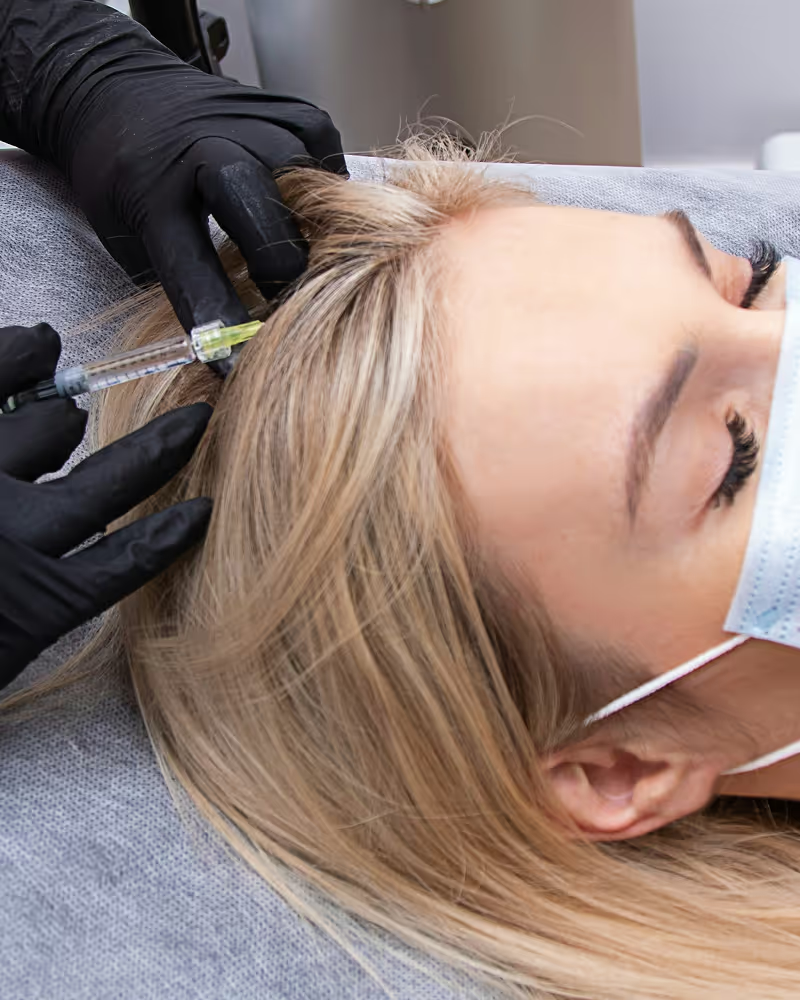
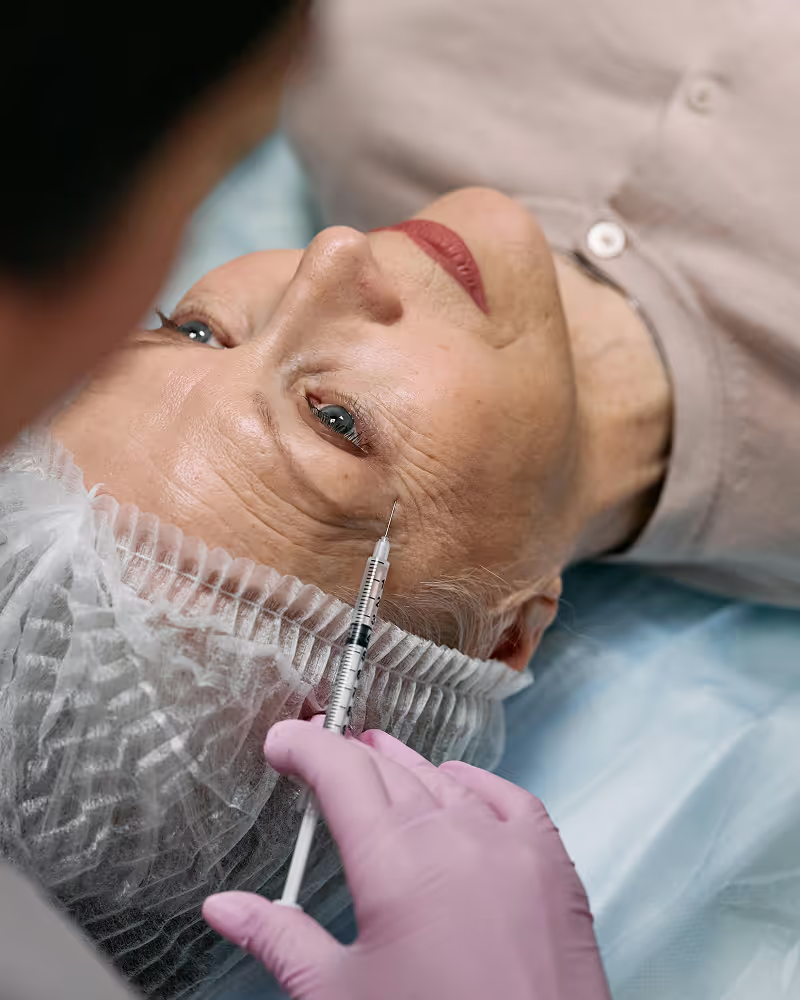
We make a single, carefully-placed PRP injection into the treatment area.
Step 4
Step 5
Step 6
Post-treatment instructions
- You may experience minor discomfort, bruising and/or swelling. This should go away in a day or two.
- After the full course of treatments, we recommend one repeat session every six months.
Reduced pain and inflammation
Helps alleviate discomfort associated with musculoskeletal injuries and conditions.
Improved mobility
Supports better joint movement and functional recovery.
Natural tissue repair
Uses the body’s own healing mechanisms to repair damaged tissue.
Frequently asked questions
PRP is effective for several common musculoskeletal conditions, including arthritis (osteoarthritis), knee arthritis, hip arthritis, shoulder arthritis, ankle arthritis, tendon and ligament injuries, tendinopathy, tennis elbow/golfer’s elbow, runner’s knee, jumper’s knee, plantar fasciitis, Achilles tendinitis, and shoulder rotator cuff tears.
The amount of treatment required depends on the nature and severity of the injury. Typically, a patient needs between two and six sessions, three weeks apart.
PRP procedures are performed under local anaesthetic to minimise discomfort.
The PRP comes from the patient’s own blood, therefore there is no risk of immunogenic reaction or disease transmission.
As with all injection procedures, risks include bleeding, infection and nerve damage.
Patients should not be treated with PRP if they have abnormal platelet function, chronic liver disease, or clotting disorders.
