











How to Choose an Aesthetic Clinic (and What Actually Matters)
Rukshana Hoque
Jan 20, 2026
Choosing an aesthetic clinic is rarely a simple decision. Even for people who feel confident about the type of treatment they’re interested in, the process of deciding where to go — and who to trust — often brings up uncertainty. With so many clinics offering similar services and using similar language, it can be difficult to know what actually matters and what is simply marketing.
For those new to non-surgical aesthetics, this uncertainty is even more pronounced. Questions tend to arise long before a consultation is booked: Who will be treating me? Are they properly qualified? How do I know I won’t be pushed into something I don’t want? These concerns are valid, and addressing them openly is an important part of ethical aesthetic care.
Understanding how to evaluate an aesthetic clinic — beyond surface-level claims — can help you make a decision that feels informed, comfortable, and aligned with your values.
Why choosing the right clinic is about more than treatments
Non-surgical aesthetic treatments are often described as “minimally invasive,” but that doesn’t mean they’re trivial. Injectables and regenerative treatments involve a deep understanding of facial anatomy, skin biology, and clinical judgement. The same product used by two different practitioners can produce very different outcomes.
This is why choosing the right clinic isn’t simply about finding a place that offers a specific treatment. It’s about trusting the standards, processes, and people behind that clinic. A well-run clinic prioritises patient safety, subtle outcomes, and long-term skin health — not trends, social media aesthetics, or quick results.
Aesthetic medicine sits at the intersection of healthcare and personal choice. Because of this, the environment in which decisions are made matters just as much as the decisions themselves.
Regulation gaps make due diligence essential
In the UK, the regulation of non-surgical aesthetic treatments is complex and, in some areas, inconsistent. While some procedures are tightly regulated within healthcare settings, others can legally be offered by individuals with very different levels of training and clinical background.
This makes it especially important for patients to do their own due diligence. Knowing who is performing treatments — and what their medical training looks like — is one of the most important steps when choosing a clinic.
A reputable clinic will be transparent about the qualifications of its practitioners and happy to discuss their training, registration, and experience. If this information is difficult to find or avoided altogether, it’s worth pausing and asking why.
Why checking doctor qualifications actually matters
Facial aesthetics isn’t just about appearance — it’s about anatomy, physiology, and risk management. A medically trained practitioner brings a different level of understanding to facial structure, blood supply, nerve pathways, and tissue behaviour.
Checking whether your practitioner is a qualified doctor, dentist, or nurse prescriber provides reassurance that they have undergone extensive clinical training and are accountable to professional regulatory bodies. This background also means they are trained to assess medical history properly and recognise when treatment may not be appropriate.
Many patients now choose to review a practitioner’s professional background before booking, often through platforms like LinkedIn, where education, clinical experience, and ongoing development are visible. This kind of transparency helps patients feel informed rather than reliant on marketing claims.
Experience is not the same as certification
While formal qualifications are essential, experience plays an equally important role in aesthetic medicine. Facial aesthetics requires judgement, restraint, and an understanding of how faces change over time — skills that develop through years of clinical exposure rather than short training courses.
An experienced practitioner understands that aesthetic treatments are not isolated procedures. They recognise patterns of ageing, how skin, muscle, and structure interact, and when subtle changes will have a greater impact than aggressive intervention.
Experience also brings the confidence to say no. Knowing when not to treat — or when to suggest waiting — is a hallmark of responsible aesthetic practice.
Medically led clinics tend to think long-term
Clinics led by experienced medical professionals often take a broader view of aesthetics. Rather than focusing on individual treatments in isolation, they consider how decisions made today may affect the face months or years down the line.
This long-term perspective often translates into more conservative treatment planning, staged approaches, and an emphasis on skin health and balance rather than dramatic transformation. Patients are more likely to feel guided than sold to.
Learning about a clinic’s leadership, values, and philosophy can often provide insight into how it operates. Many clinics share this information openly on their about page, allowing patients to understand who is behind the brand.
The importance of consultation-led care
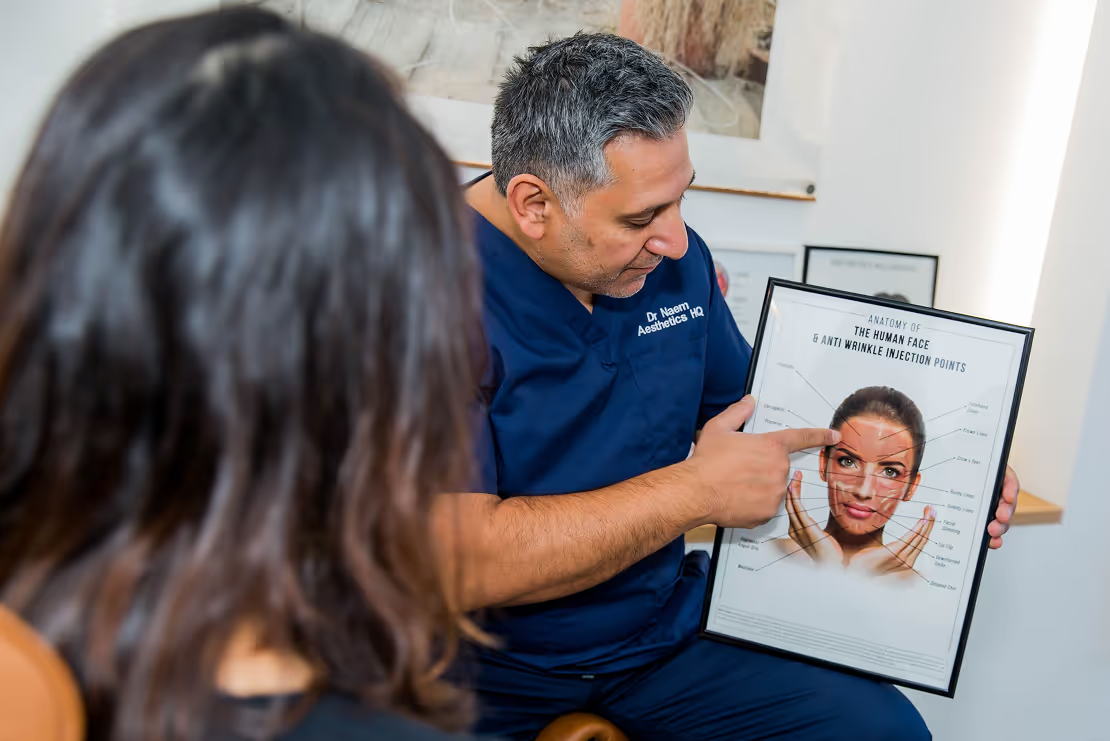
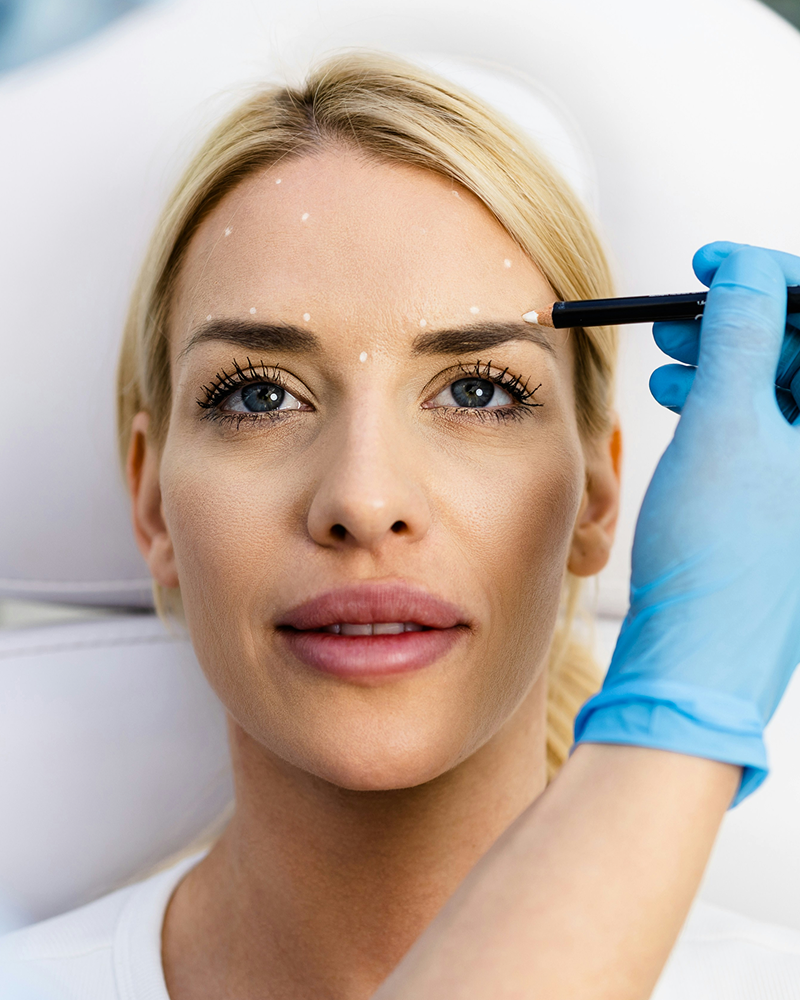
A key indicator of a trustworthy aesthetic clinic is a consultation-led approach. This means that time is taken to understand concerns, assess suitability, and explain options before any treatment is recommended.
A good consultation is not a checklist. It’s a conversation. Patients are encouraged to describe what they notice, what they hope to achieve, and what they may be uncertain about. In many cases, concerns relate to broader changes associated with facial ageing rather than a single feature.
Consultation-led care also means being honest about limitations. Not every concern can or should be treated, and not every treatment is suitable for every individual. Transparency at this stage builds trust and sets realistic expectations.
Clinical leadership makes a difference
For many patients, knowing who leads the clinic provides reassurance. Clinical leadership sets the tone for standards, ethics, and decision-making across the entire practice.
At our clinic, treatments are overseen by Dr Kowsar Hoque, a medically qualified aesthetic doctor with extensive experience in non-surgical facial aesthetics. Dr Hoque brings a strong clinical foundation to aesthetic practice, combining medical training with in-depth knowledge of facial anatomy and skin health.
Dr Hoque is a highly experienced skin surgeon with a specialist focus on advanced facial rejuvenation and regenerative medicine. His approach is rooted in precision and restraint, with an emphasis on achieving natural-looking, well-balanced results rather than dramatic change. One of his signature procedures is the Minimal Access Facelift (MAFL) combined with fat transfer, a technique designed to restore volume, refine facial contours, and support long-term facial structure in a considered way.
A graduate of University College London Medical School, Dr Hoque qualified in 1996 and went on to train and work in several of London’s leading teaching hospitals. During this time, he developed a strong foundation in general surgery, with particular expertise in vascular surgery. This background gave him a deep understanding of tissue healing, blood supply, and revascularisation — principles that continue to inform his surgical and aesthetic work.
After 14 years working within the NHS, Dr Hoque moved into private practice, where he worked alongside senior surgeons in both clinical and academic settings. This extensive surgical experience underpins his safety-led, detail-oriented approach and distinguishes his work within the field of facial aesthetics.
In recent years, Dr Hoque has focused increasingly on regenerative medicine, applying his surgical knowledge to the development and use of innovative treatments for facial ageing and skin quality. By combining surgery, injectable treatments, and advanced energy-based technologies, he is able to offer highly personalised treatment plans that prioritise facial rejuvenation, skin health, and longevity.
Dr Hoque currently practises from clinics in Mayfair, Guildford, and Kennington, providing discreet, bespoke care to patients seeking refined, natural facial enhancement.
His work focuses on natural, balanced outcomes, with particular expertise in facial rejuvenation, injectable treatments, and regenerative approaches. Rather than following trends, his approach centres on subtlety, proportion, and long-term results that respect individual facial structure.
Dr Hoque is actively involved in ongoing professional development and remains engaged with advancements in aesthetic medicine. Patients who wish to learn more about his professional background, training, and experience can view his LinkedIn profile here.
Reviewing a practitioner’s professional profile can help patients feel confident that they are placing their care in experienced hands.
Why environment and professionalism matter
The clinic environment plays a bigger role than many people expect. A calm, professional setting helps patients feel at ease and reflects the clinic’s standards of care.
Professionalism is also evident in how appointments are managed, how questions are handled, and how follow-up care is provided. These factors contribute to trust and confidence just as much as clinical expertise.
A well-run clinic values clear communication, respectful interactions, and patient comfort at every stage of the experience.
Online presence as a reflection of values
A clinic’s website often provides valuable insight into how it operates. Clear, informative content suggests a focus on patient education, while vague claims or exaggerated promises can be a red flag.
Look for clinics that explain their approach, avoid over-promising results, and encourage consultations rather than instant decisions. An informative about page can be especially useful in understanding a clinic’s philosophy and long-term vision.
Trust your instincts
Beyond qualifications and credentials, personal comfort matters. If something feels rushed, unclear, or pressured, it’s okay to step back. Aesthetic treatments are elective, and decisions should be made without urgency or obligation.
A trustworthy clinic respects your pace and supports informed decision-making. Feeling comfortable enough to ask questions — and comfortable enough to say no — is a strong indicator that you’re in the right place.
Final thoughts
Choosing an aesthetic clinic is not about finding the most popular treatment or the most eye-catching marketing. It’s about trust, expertise, and alignment with your values.
Checking practitioner qualifications, understanding who leads the clinic, and learning about their experience can make a significant difference in how confident you feel. When aesthetic medicine is approached with care, transparency, and clinical integrity, it becomes less about chasing trends and more about supporting natural, long-term outcomes.
If you’d like to learn more about our clinic, team, and clinical philosophy, you can explore our about page.
.svg)