



What does uneven skin texture actually mean?
Dr Abdul Naeem
Jan 20, 2026
Uneven skin texture and dullness are among the most common skin concerns people experience, yet they are often some of the hardest to define. Unlike wrinkles or pigmentation, texture issues can feel subtle but persistent — skin that doesn’t reflect light the way it used to, makeup that sits unevenly, or a roughness that remains despite a good skincare routine.
For many people, these changes don’t happen suddenly. Instead, they develop gradually, often becoming noticeable only when the skin no longer feels as smooth, bright, or resilient as it once did. Understanding why skin texture changes over time — and what non-surgical options are commonly explored — can help people make informed decisions without unrealistic expectations.
What does “uneven skin texture” actually mean?
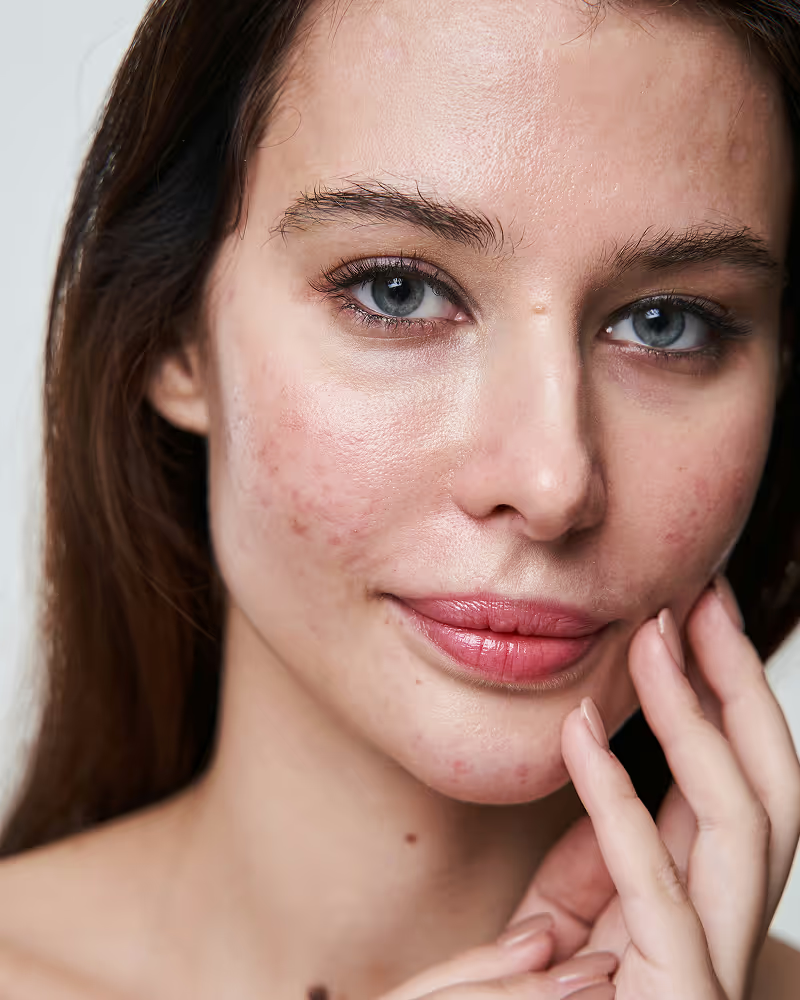
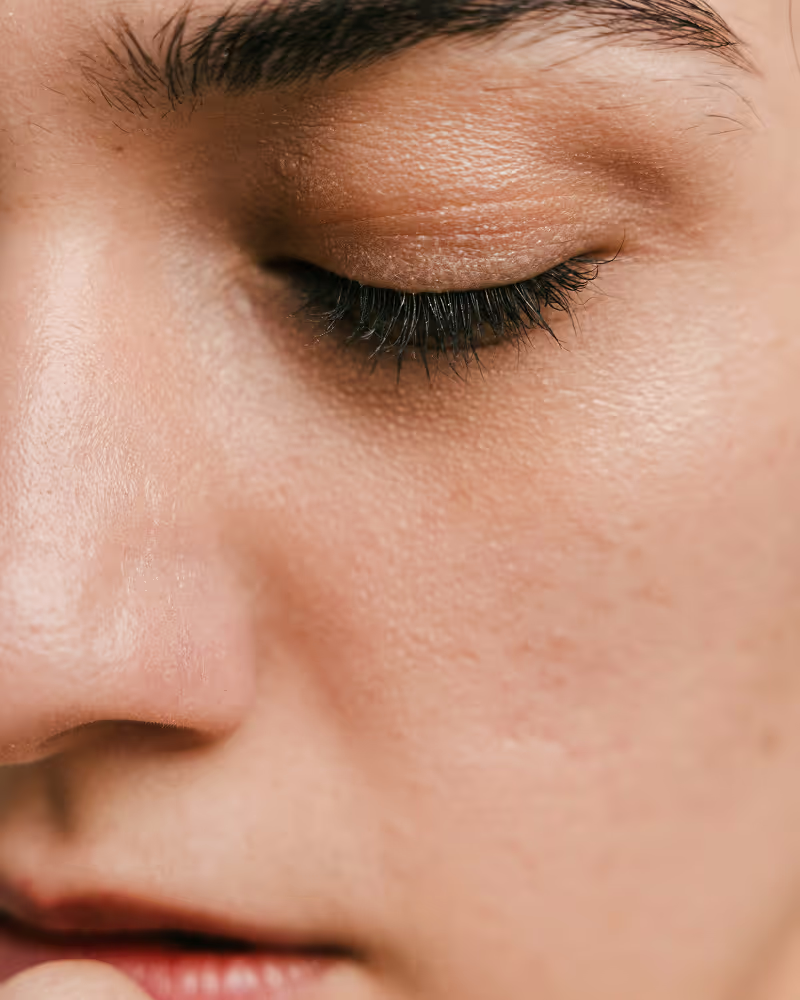
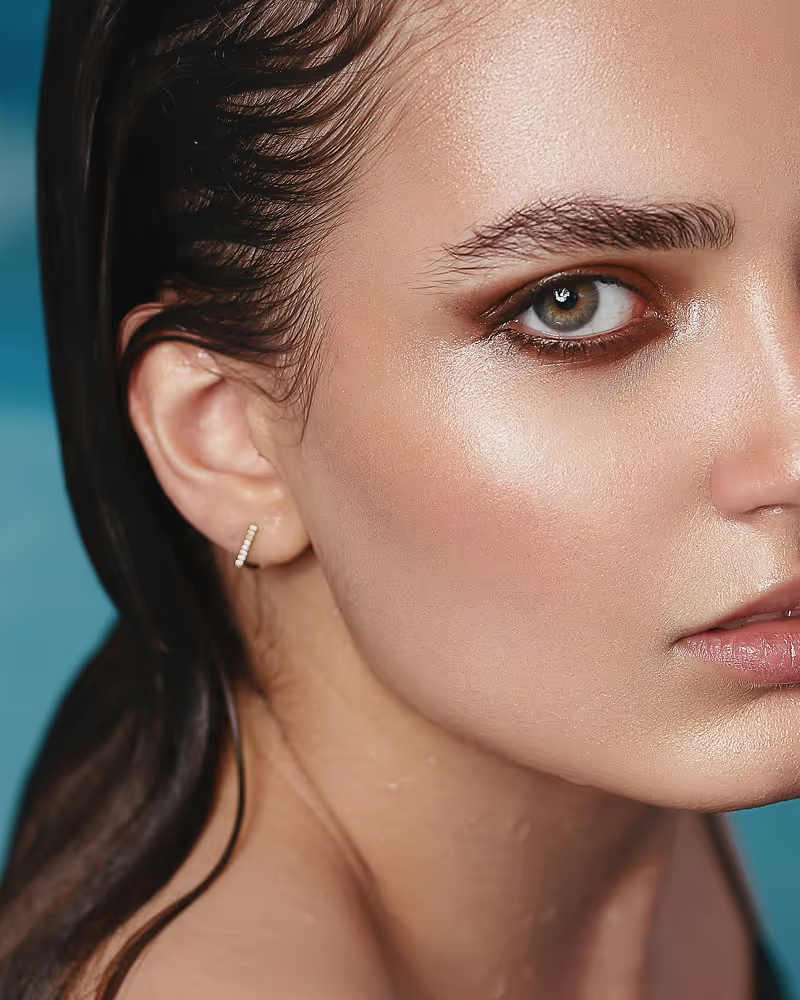
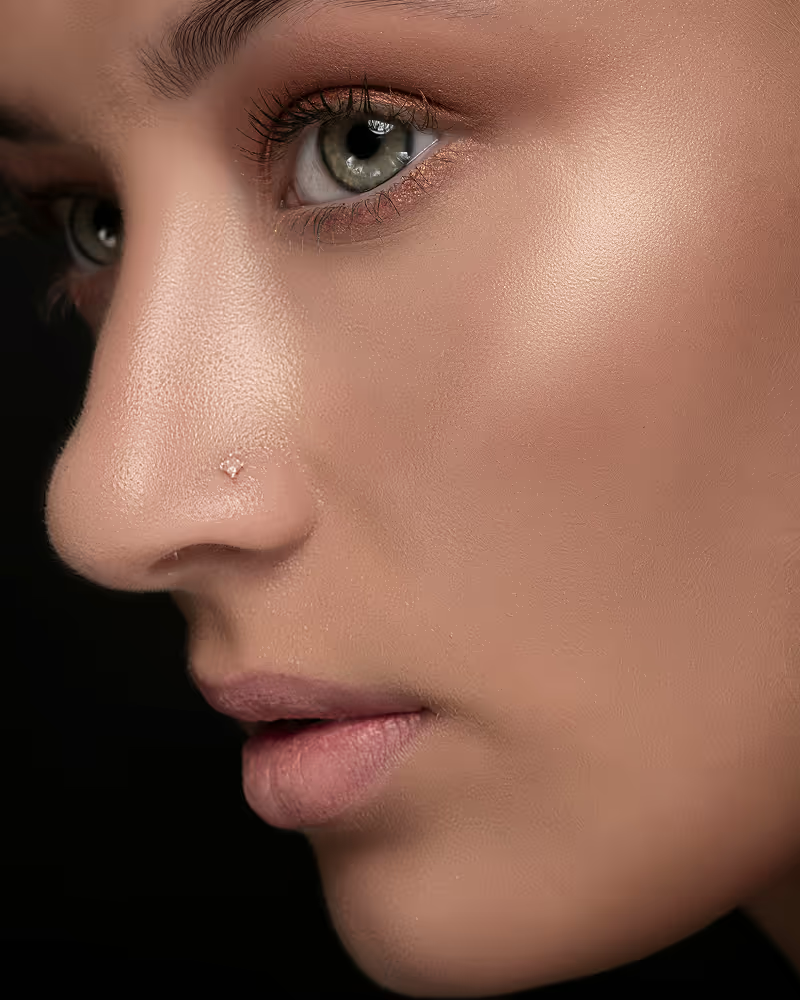
Uneven skin texture is a broad term used to describe changes in the surface quality of the skin. Rather than referring to a single condition, it encompasses a range of experiences, including roughness, enlarged pores, fine lines, dehydration, and a lack of smoothness or radiance.
Dull skin often goes hand in hand with texture changes. When skin cells do not shed and renew efficiently, the surface can appear flat or tired, even if the skin tone itself is relatively even. This is why people sometimes describe their skin as looking “lifeless” rather than specifically aged.
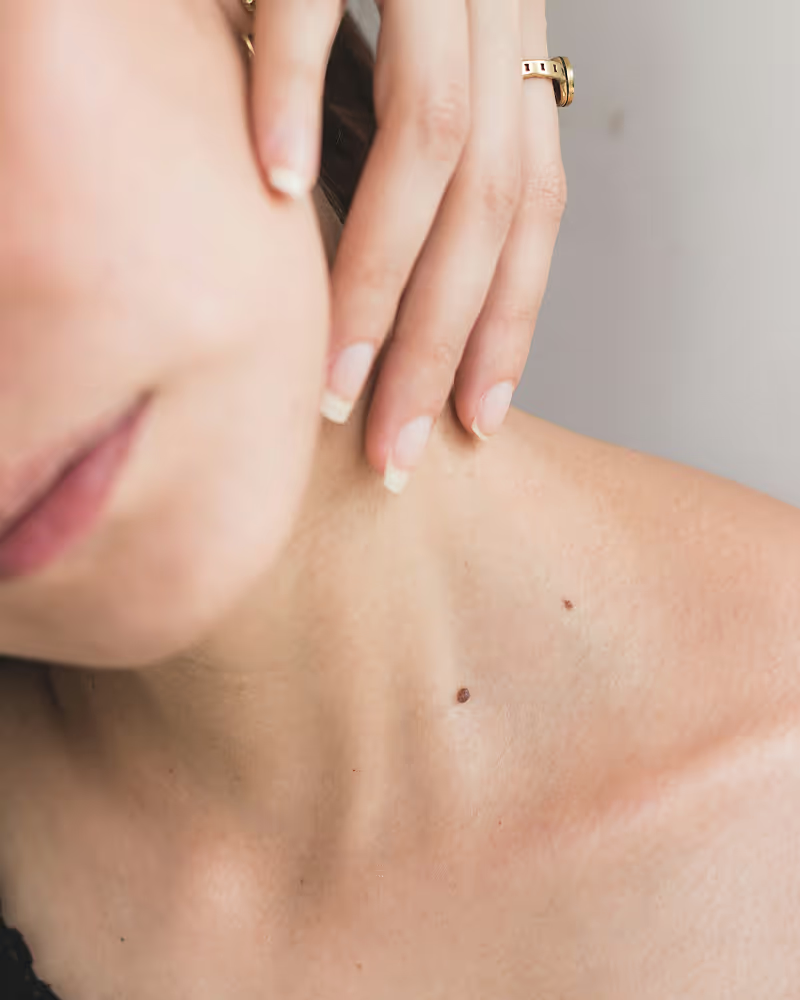
Texture concerns can affect the face, neck, chest, and even the hands. They are influenced by both internal and external factors and tend to become more noticeable with age, stress, and environmental exposure.
Why skin texture changes over time
Skin texture is closely linked to the skin’s ability to regenerate, hydrate itself, and maintain a healthy barrier. Several processes contribute to changes in texture and brightness over time.
Slower cell turnover
Healthy skin constantly renews itself by shedding old cells and replacing them with new ones. As this process slows with age, dead skin cells can accumulate on the surface, leading to roughness and a dull appearance. This is one reason why exfoliation and renewal-focused treatments are often discussed in relation to texture concerns.
When cell turnover slows, skincare products may also become less effective, as active ingredients struggle to penetrate the surface effectively.
Reduced collagen and elastin
Collagen and elastin provide structure and elasticity to the skin. As production declines, the skin may become thinner and less firm, contributing to fine lines, crepiness, and uneven texture. These changes are often subtle at first but become more noticeable over time.
Reduced collagen can also affect how light reflects off the skin, making it appear less smooth and radiant.
Dehydration and barrier disruption
Skin hydration plays a major role in texture. When the skin barrier is compromised — whether due to over-exfoliation, harsh products, environmental stress, or ageing — moisture is lost more easily. Dehydrated skin often looks rough, tight, and dull, even if it produces oil.
This is why some people experience texture issues despite having oily or combination skin.
External factors that affect skin texture
In addition to natural ageing, several external factors influence how skin looks and feels.
Sun exposure is one of the most significant contributors. Long-term UV exposure damages collagen and interferes with normal skin renewal, often leading to roughness, uneven tone, and loss of brightness. Pollution can have a similar effect by increasing oxidative stress on the skin.
Lifestyle factors also matter. Smoking, poor sleep, chronic stress, and inadequate hydration can all affect skin health over time. Even repetitive facial movements and posture can subtly influence how skin texture develops in certain areas.
Because these factors accumulate gradually, texture changes are often noticed later than other concerns, such as acne or pigmentation.
Common texture-related concerns people mention
Although everyone experiences texture changes differently, several patterns tend to come up repeatedly.
Many people describe their skin as feeling rough or uneven, particularly when applying makeup or skincare. Others notice that their complexion lacks brightness, even when pigmentation is relatively even. Enlarged pores, fine lines, and crepey areas may also be part of the picture.
Texture concerns are frequently linked to broader facial ageing , as they often develop alongside changes in firmness, hydration, and volume. This is why texture is rarely treated as an isolated issue.
Why skincare alone sometimes isn’t enough
A good skincare routine is essential for maintaining skin health, but it has limitations — particularly when deeper structural changes are involved.
Topical products primarily work on the surface layers of the skin. While they can support hydration, barrier function, and mild exfoliation, they cannot significantly stimulate collagen production or alter deeper skin architecture on their own.
This is often why people feel that their skincare routine “stopped working,” even though their habits haven’t changed. In reality, the skin’s needs have evolved.
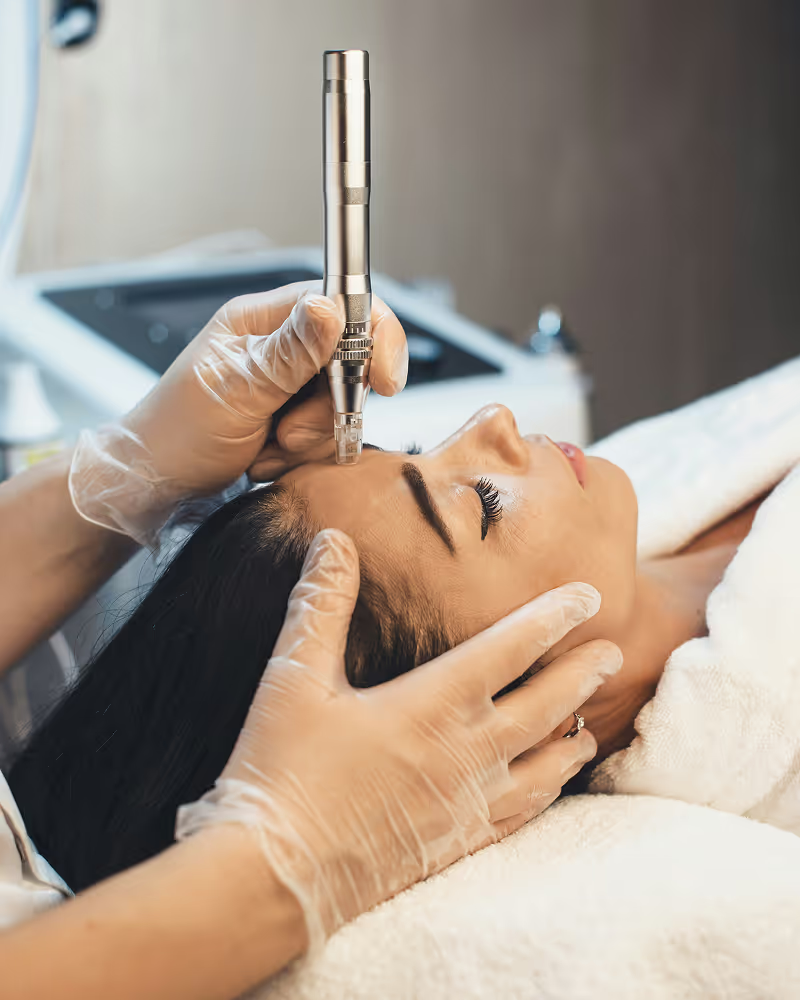
When texture concerns persist despite consistent skincare, some individuals begin exploring non-surgical aesthetic options designed to work beyond the surface.
Non-surgical approaches people commonly explore for texture and dullness
Modern aesthetic treatments focus on supporting the skin’s natural repair mechanisms rather than masking concerns. Depending on the individual, different approaches may be discussed.
A broad overview of available options can be found on the treatments page, where each treatment is explained in detail.
Treatments that support skin renewal
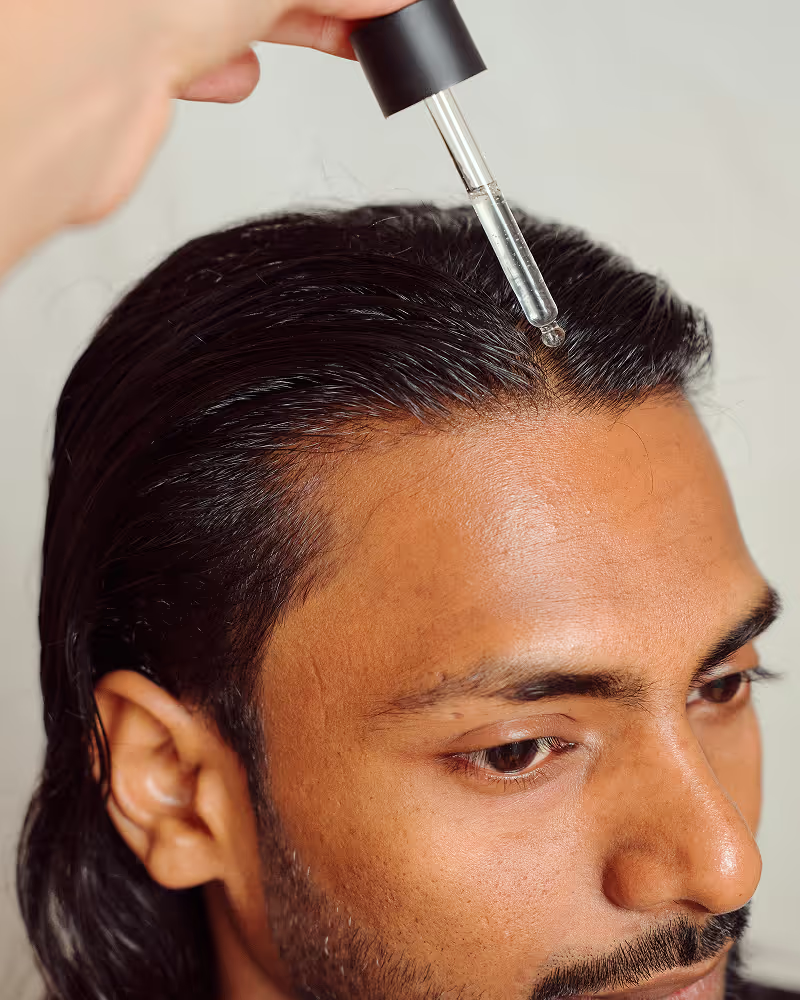
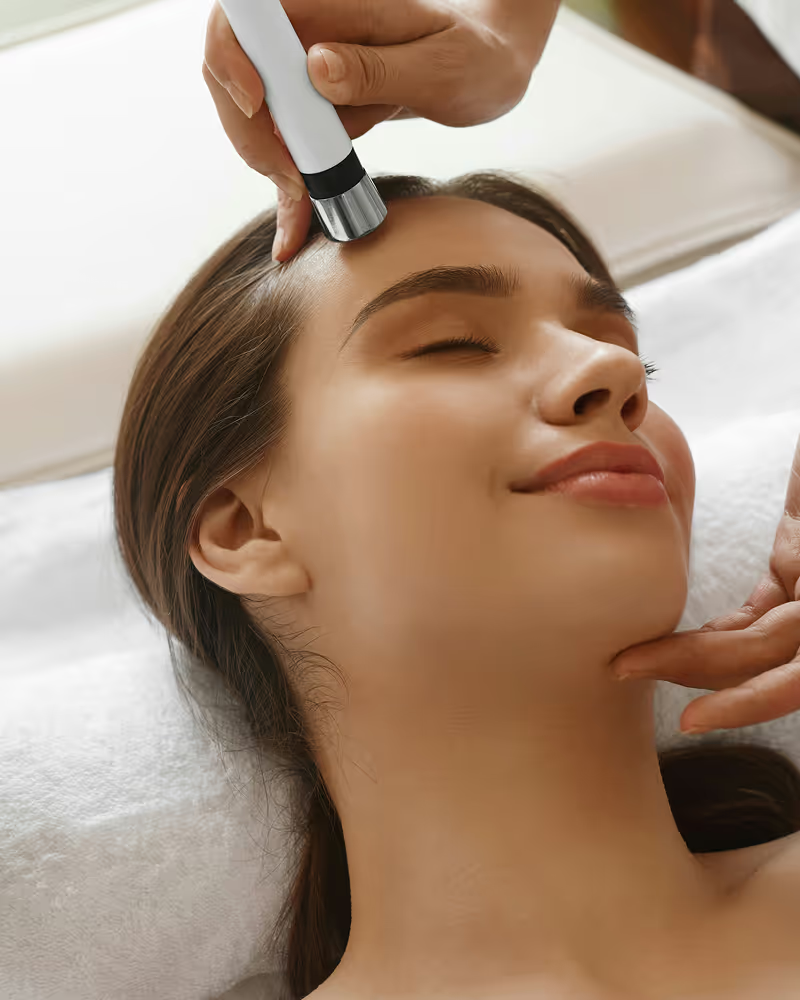
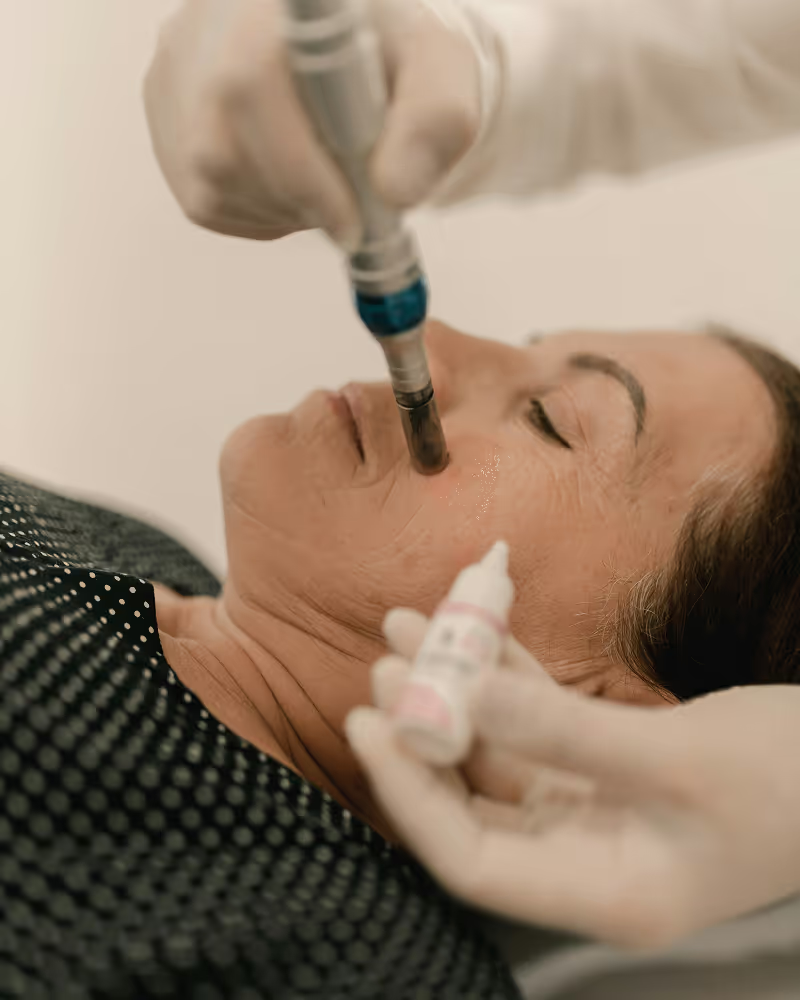
Some non-surgical treatments aim to encourage controlled skin renewal by stimulating cell turnover and improving surface smoothness. These approaches are often explored by people dealing with roughness, dullness, or mild textural irregularities.
Chemical exfoliation-based treatments fall into this category and are commonly used to refresh the skin’s surface over a series of sessions.
Treatments focused on skin quality and hydration
For individuals whose texture concerns are linked to dehydration or loss of elasticity, treatments that support hydration and skin quality may be more appropriate. These options focus on improving how the skin functions rather than creating immediate visible change.
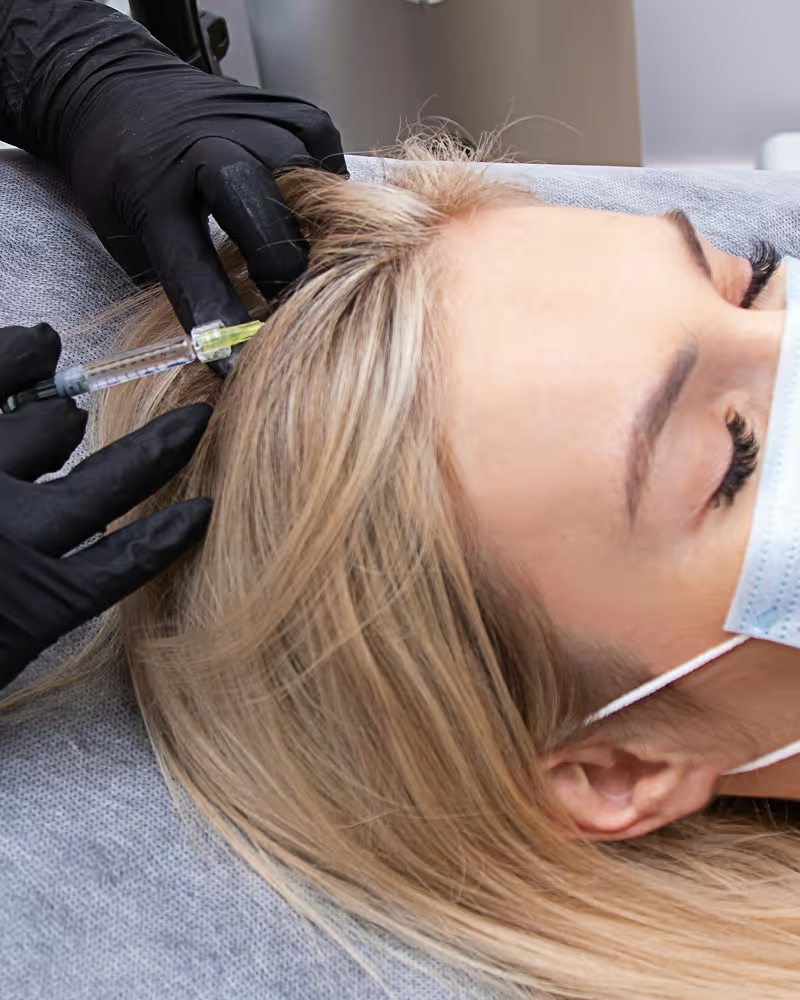
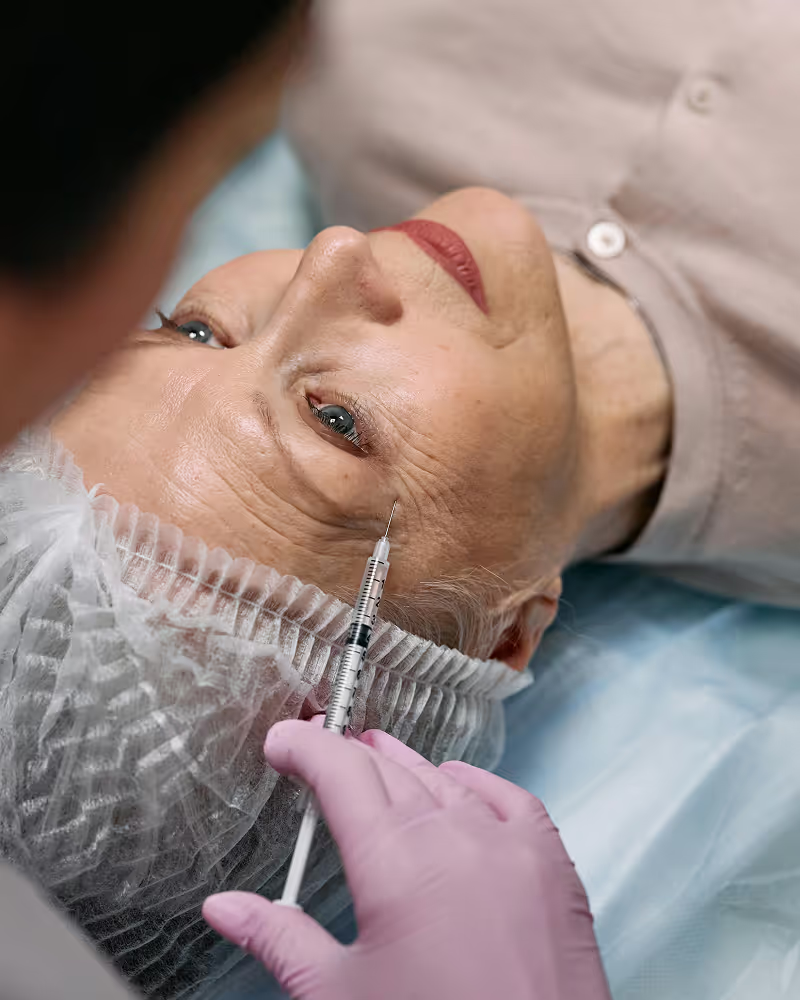
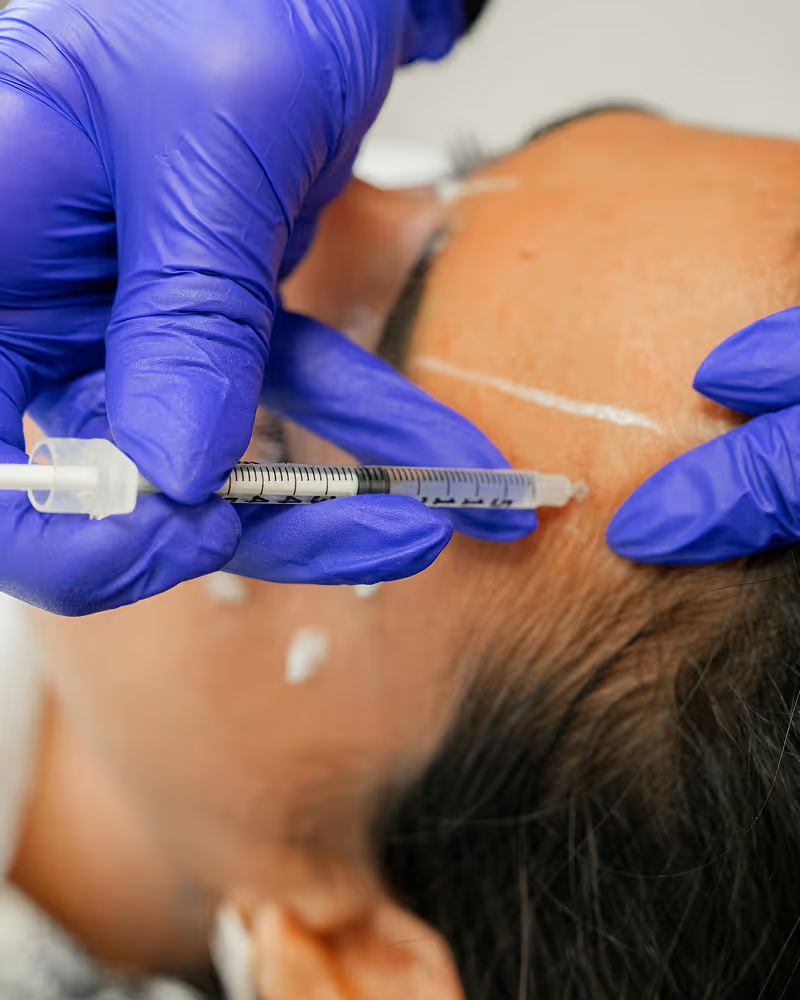
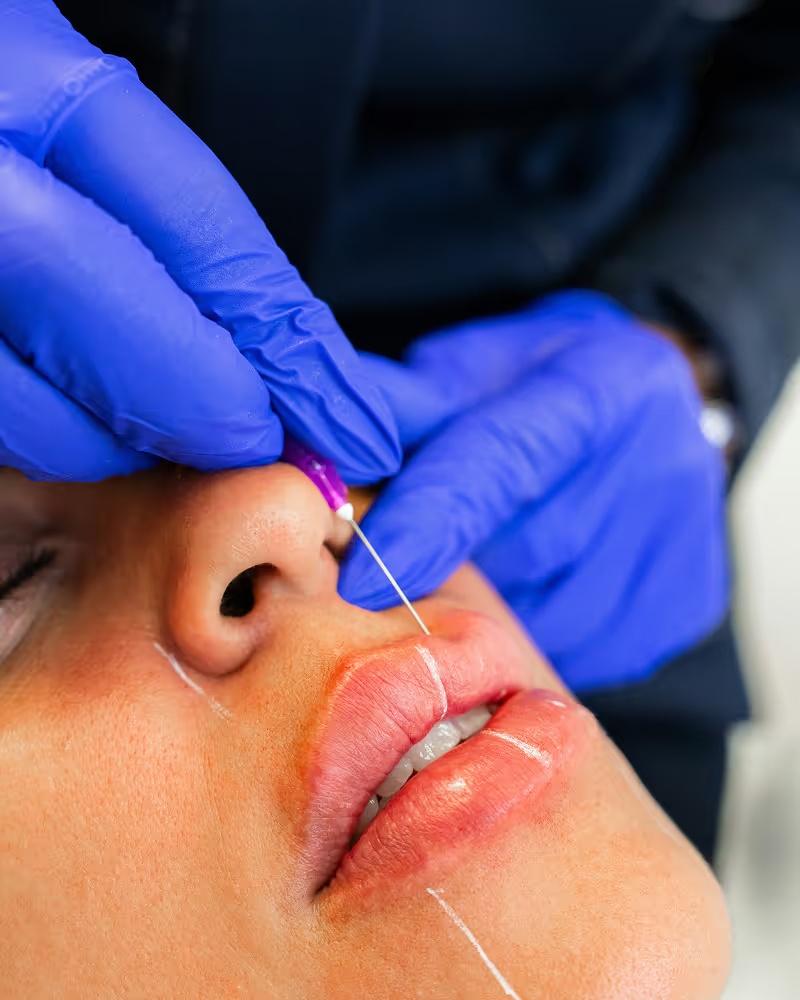
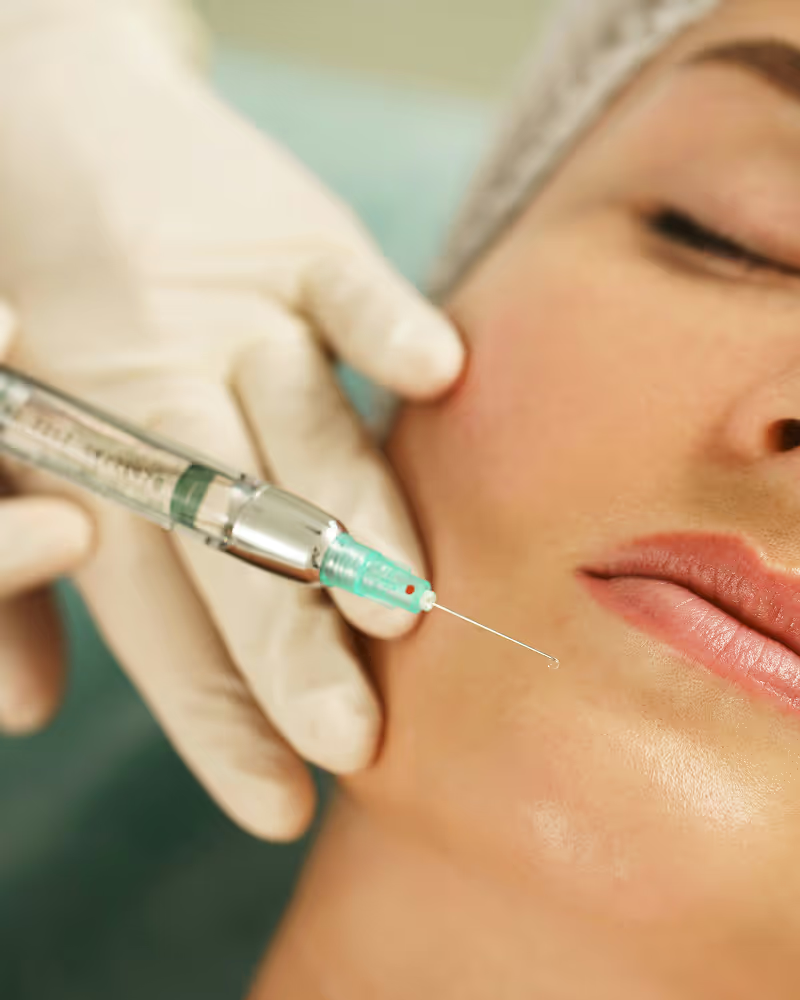
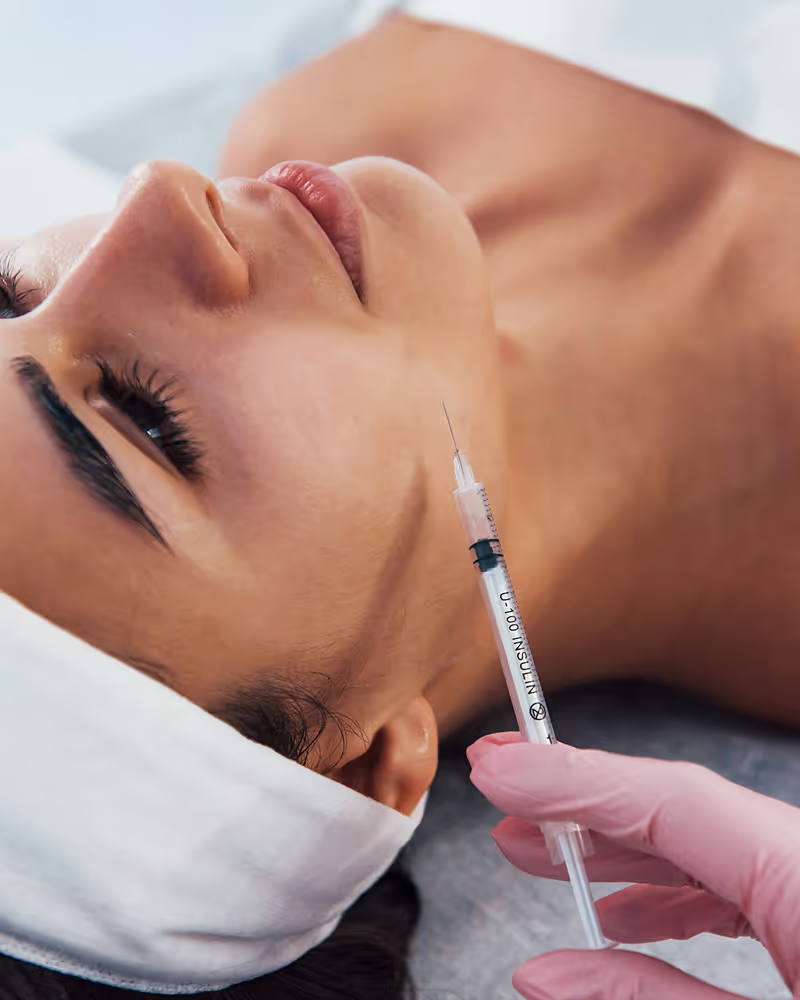
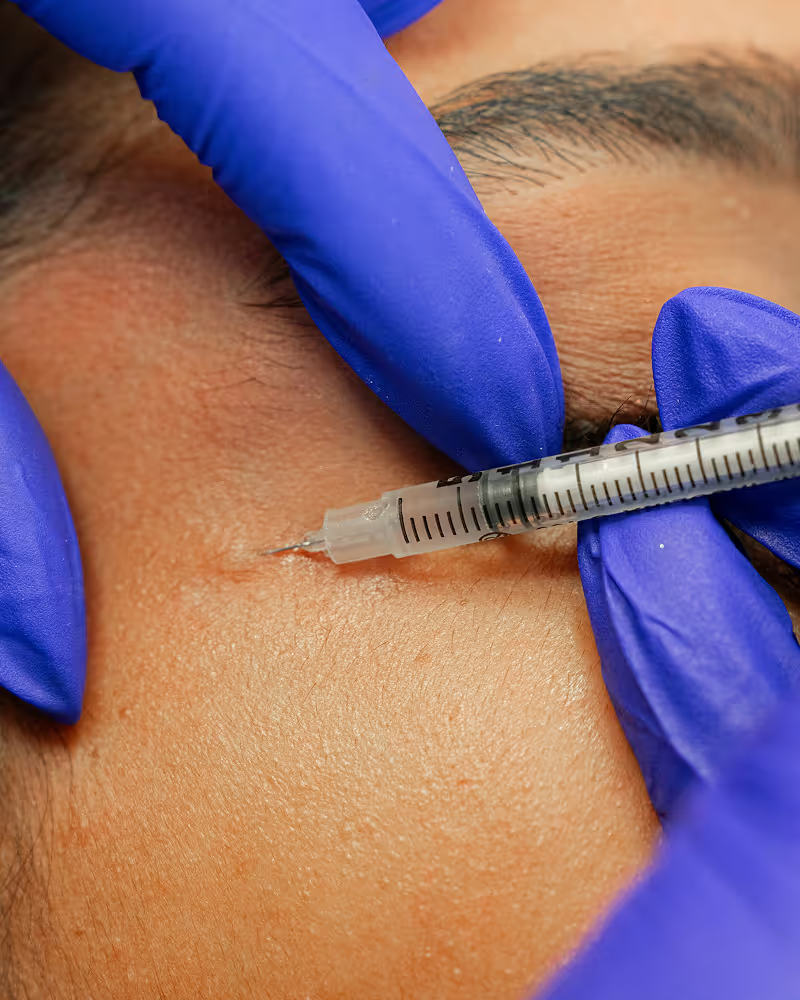
Polynucleotide-based treatments and biostimulatory injectables are often discussed in this context, as they aim to support collagen production and improve skin resilience over time.
Regenerative approaches
Some people explore regenerative treatments that use biological components to encourage tissue repair and renewal. These options are typically chosen by individuals looking for gradual, natural-looking improvement rather than immediate results.
Platelet-based therapies and exosome-focused treatments are often included in discussions about skin texture and dullness, particularly when combined with other approaches. More information on these options can be found on individual treatment pages such as PRP-based skin treatments or exosome therapy.
Why texture treatments are often combined
Uneven texture and dullness rarely have a single cause, which is why treatments are often combined rather than used in isolation.
For example, a person may address surface roughness with renewal-focused treatments while also supporting deeper skin quality with regenerative or collagen-stimulating options. This layered approach allows for more balanced, longer-lasting results without over-treating the skin.
Combination strategies are particularly common when texture concerns are part of broader skin texture and dullness issues rather than a standalone problem.
The importance of assessment and expectations
Texture-related concerns can be subtle and subjective, which makes professional assessment especially important. What feels like roughness to one person may be dehydration to another, while similar-looking skin concerns can have very different underlying causes.
A consultation allows for a detailed discussion about skin history, lifestyle factors, and treatment suitability. It also helps set realistic expectations, as improvements in texture often develop gradually rather than overnight.
Not every treatment is appropriate for every skin type, and in some cases, treatment may not be recommended at all.
When people usually seek advice for texture concerns
Some people seek advice early, when skin feels slightly dull or rough but still healthy. Others wait until texture changes begin to affect confidence or makeup application.
There is no correct timeline. Texture treatments are often preventative as much as corrective, focusing on maintaining skin quality rather than dramatically altering appearance.
If you’re considering professional advice, you can explore options via the contact page, view pricing information, or book a consultation directly through our online booking system. For quick questions before booking, you can also reach out via WhatsApp.
Final thoughts
Uneven skin texture and dullness are common, gradual concerns influenced by ageing, environment, and skin health. While they can’t be completely avoided, understanding why they happen can make treatment decisions clearer and more informed.
Non-surgical options exist to support skin renewal, hydration, and resilience — when chosen carefully and tailored to the individual. Exploring condition-based information alongside treatment options can help you decide whether a consultation feels right and which approach aligns with your goals.
.svg)