






How the Face Changes With Age (and the Non-Surgical Options People Explore)
Dr Kowsar Hoque
Jan 20, 2026
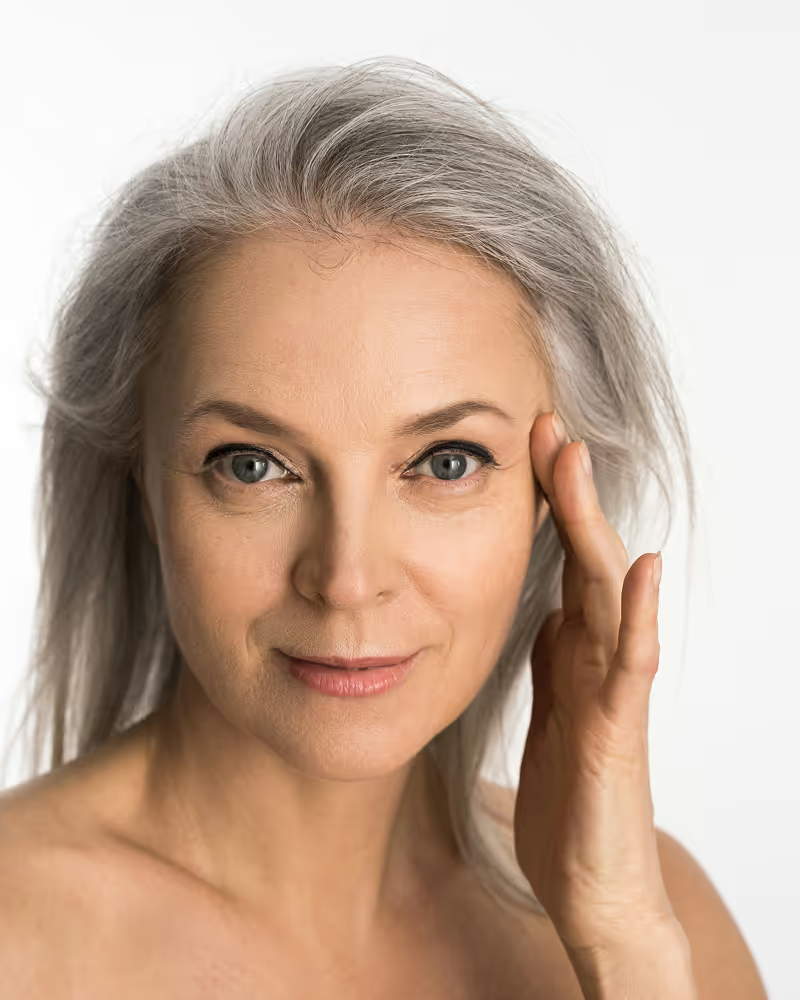
Facial ageing doesn’t usually arrive all at once. For most people, it shows up gradually — skin looking a little less fresh, lines lingering after expressions fade, or facial contours appearing softer than they used to. Often, it’s not about wanting to look younger, but about noticing that the face no longer reflects how someone feels day to day.
How the face ages varies from person to person. Genetics, sun exposure, lifestyle, stress, and skin health all play a role. Understanding these changes can make it easier to decide whether non-surgical aesthetic treatments are something worth exploring, and which options may actually be relevant.
What actually changes as the face ages
Facial ageing happens on several levels at the same time, affecting the skin, underlying fat, muscle activity, and facial structure.
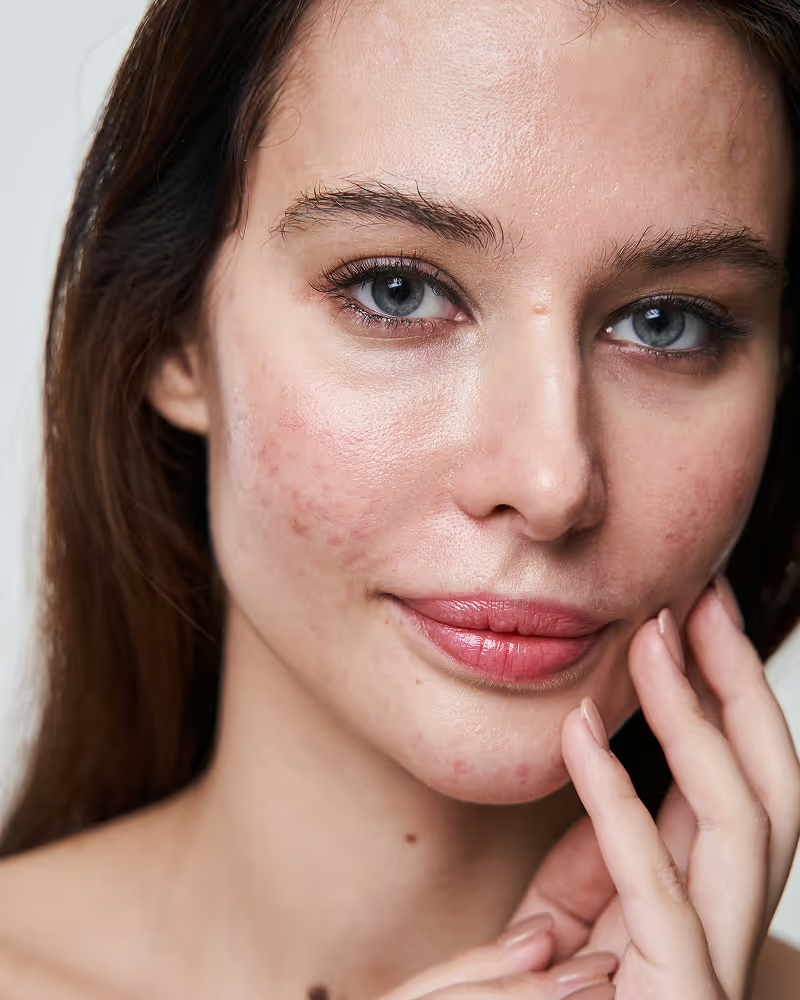
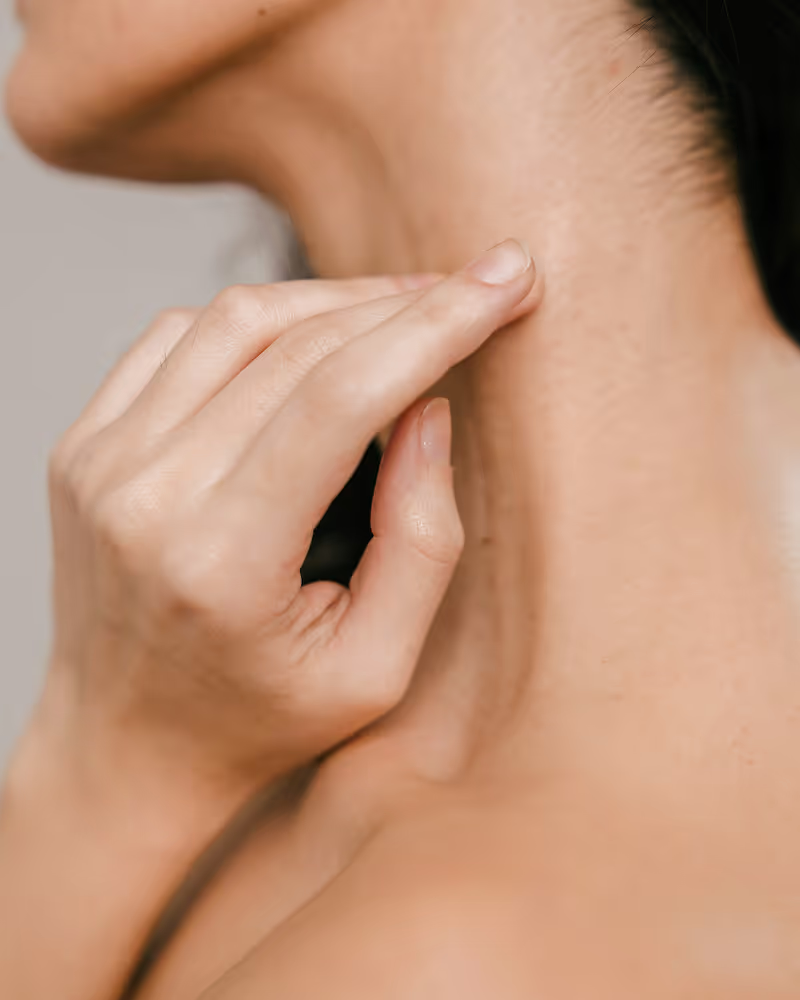
One of the earliest changes involves the skin itself. Over time, collagen, elastin, and natural hydration levels decline, making the skin thinner, drier, and less resilient. This often leads to fine lines becoming more visible, particularly around areas that move frequently, such as the eyes, forehead, and mouth. Environmental factors like long-term sun exposure and pollution can accelerate these changes, contributing to uneven tone and a duller appearance.
Deeper structural changes also play a role. Fat pads that once supported the cheeks, temples, and under-eye area naturally reduce and shift with age. This can create hollowing, flattening of the mid-face, or a tired look even when someone is well rested. At the same time, subtle skin laxity and changes in bone structure can soften the jawline and lower face.
Many of these changes fall under what clinicians broadly describe as facial ageing, which tends to involve a combination of concerns rather than a single issue.
Common concerns people notice first
Although everyone’s experience is different, certain patterns come up repeatedly. Some people first notice expression lines that linger longer than they used to, especially between the brows or around the eyes. Others become aware that their cheeks appear less full, or that their face has lost some of its natural definition — a change often linked to gradual volume loss.
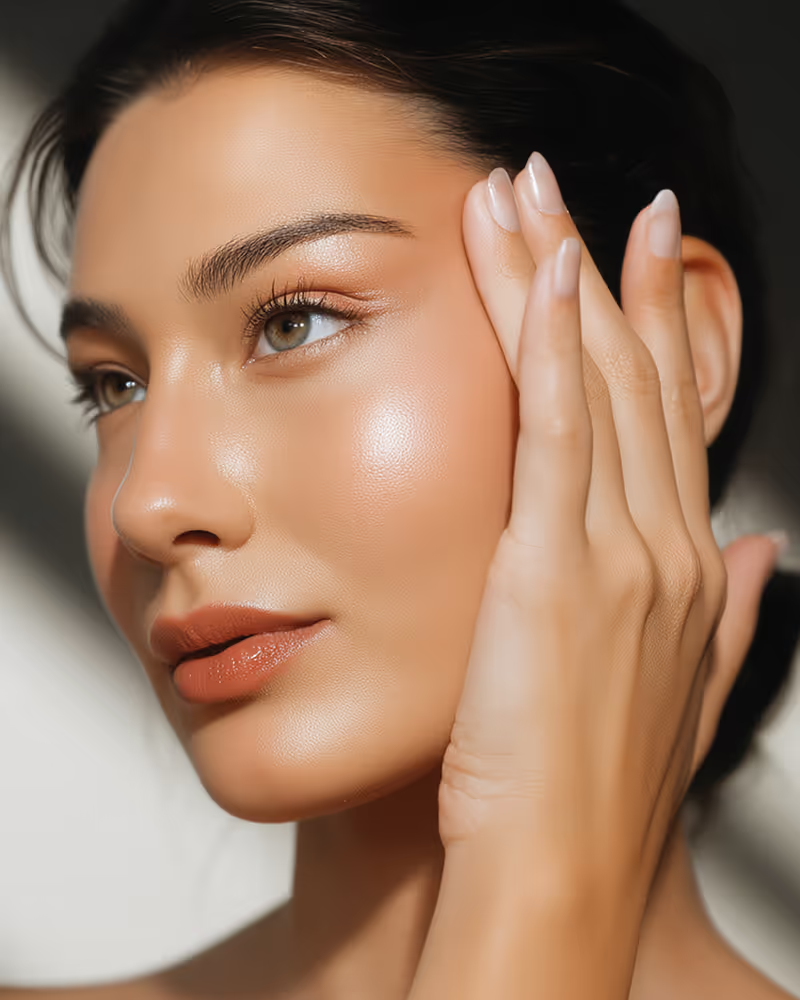
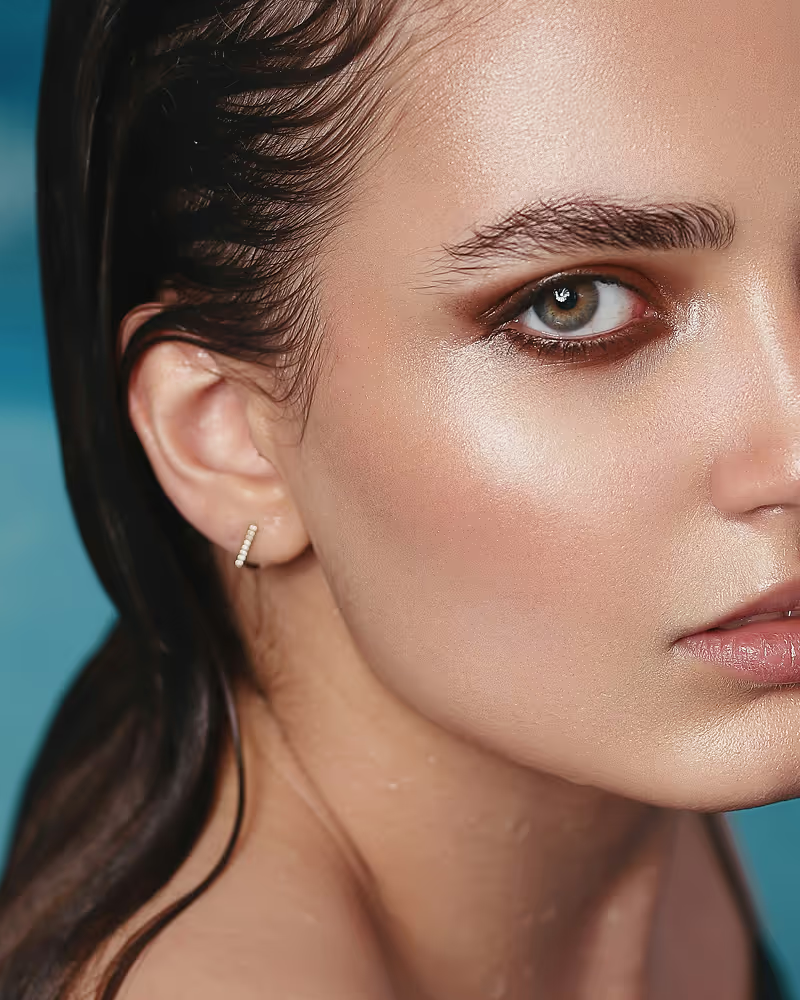
Skin quality is another common concern. Reduced brightness, uneven texture, and dehydration can make the skin look tired, even with good skincare. Under-eye changes, such as shadowing or hollowness, are also frequently mentioned and may be influenced by both skin thickness and facial structure.
Because these concerns are often interconnected, treatment discussions usually focus on overall facial balance rather than targeting just one feature.
Non-surgical options people commonly explore
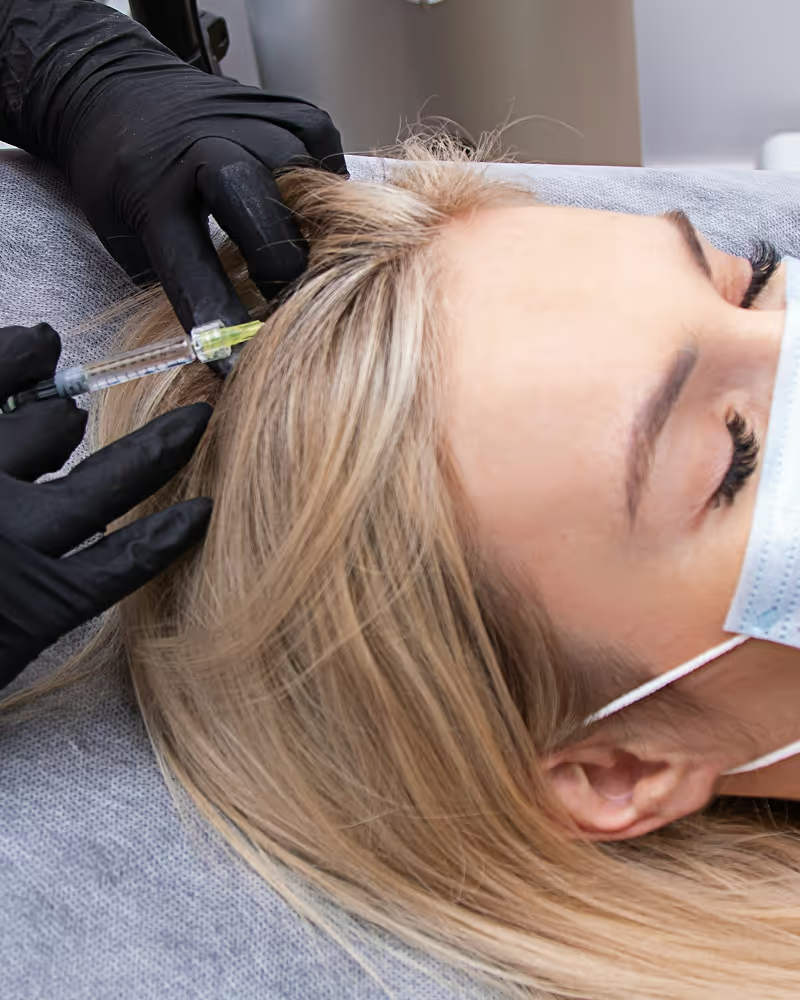
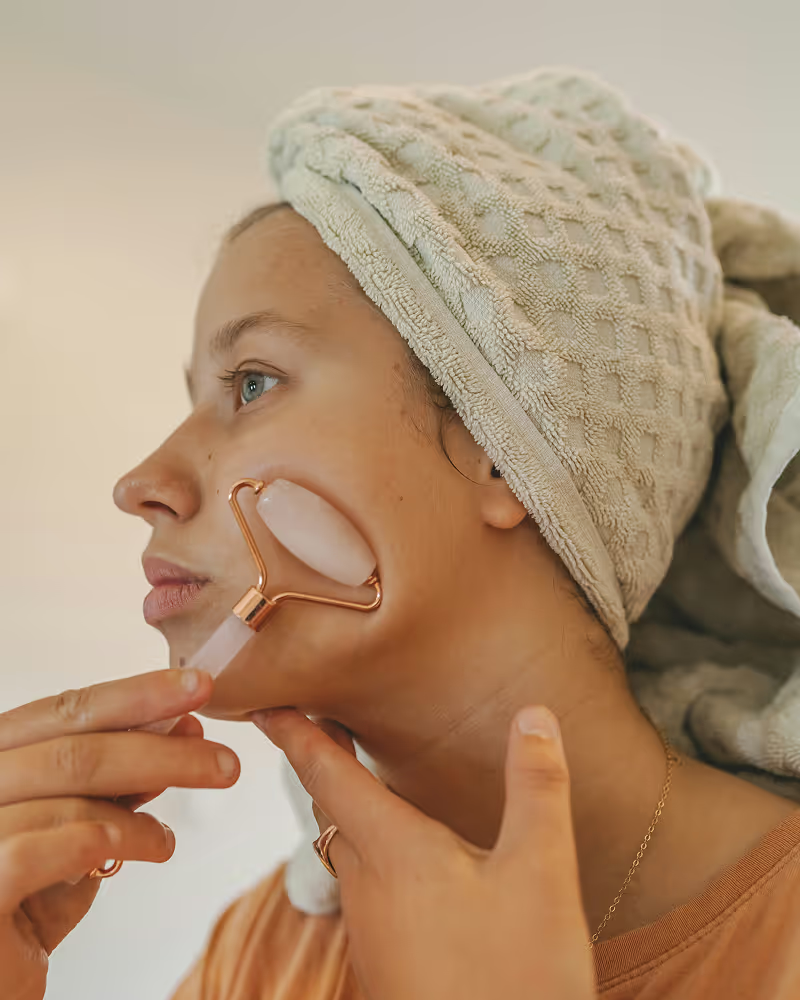
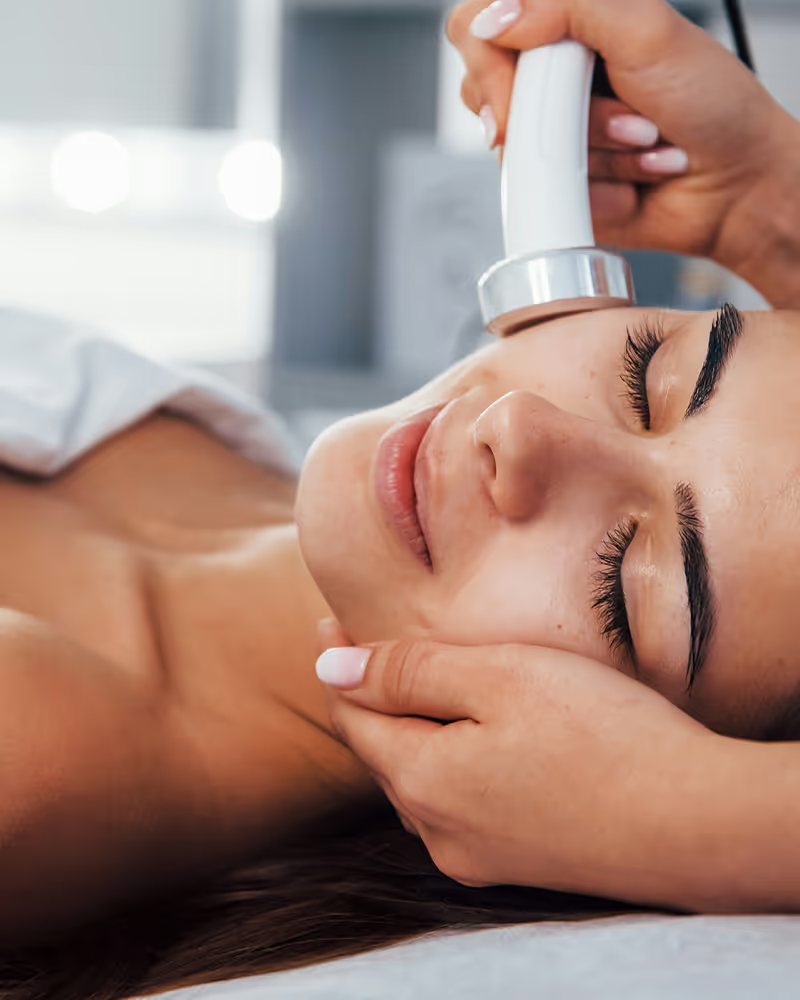
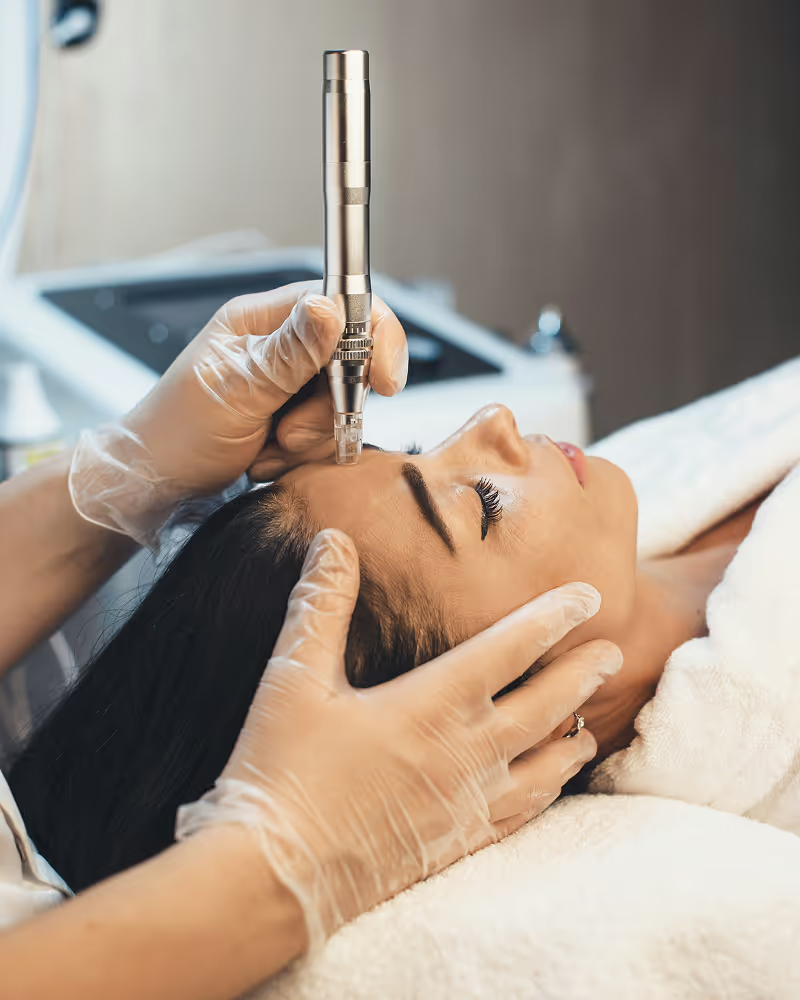
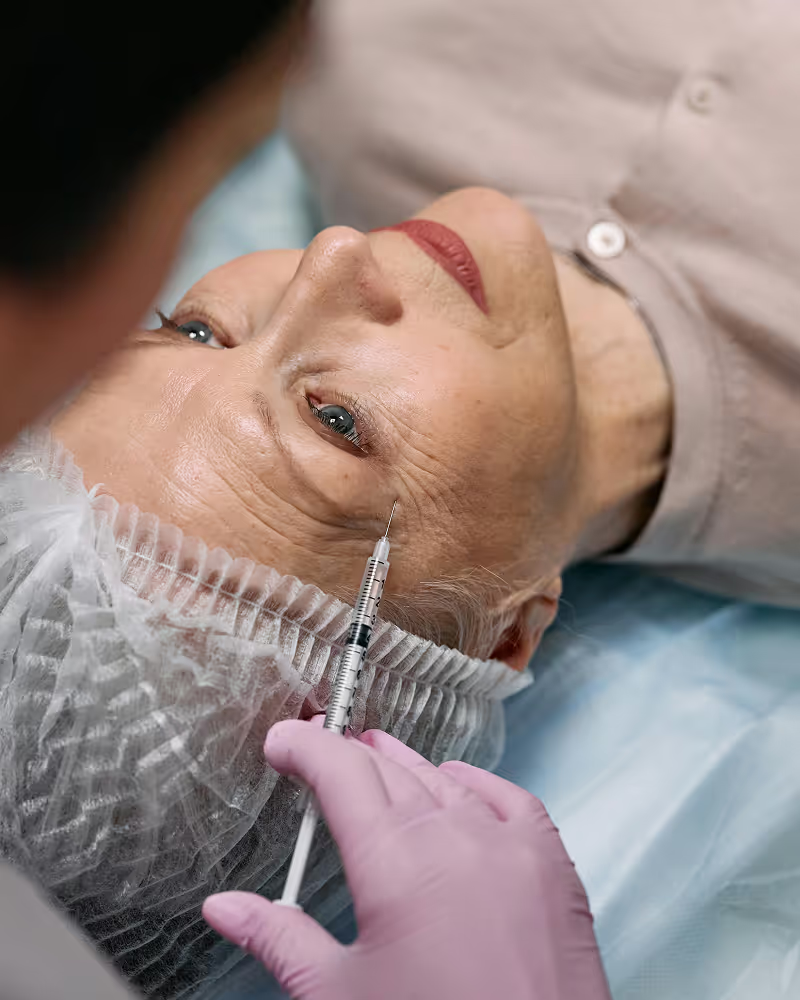
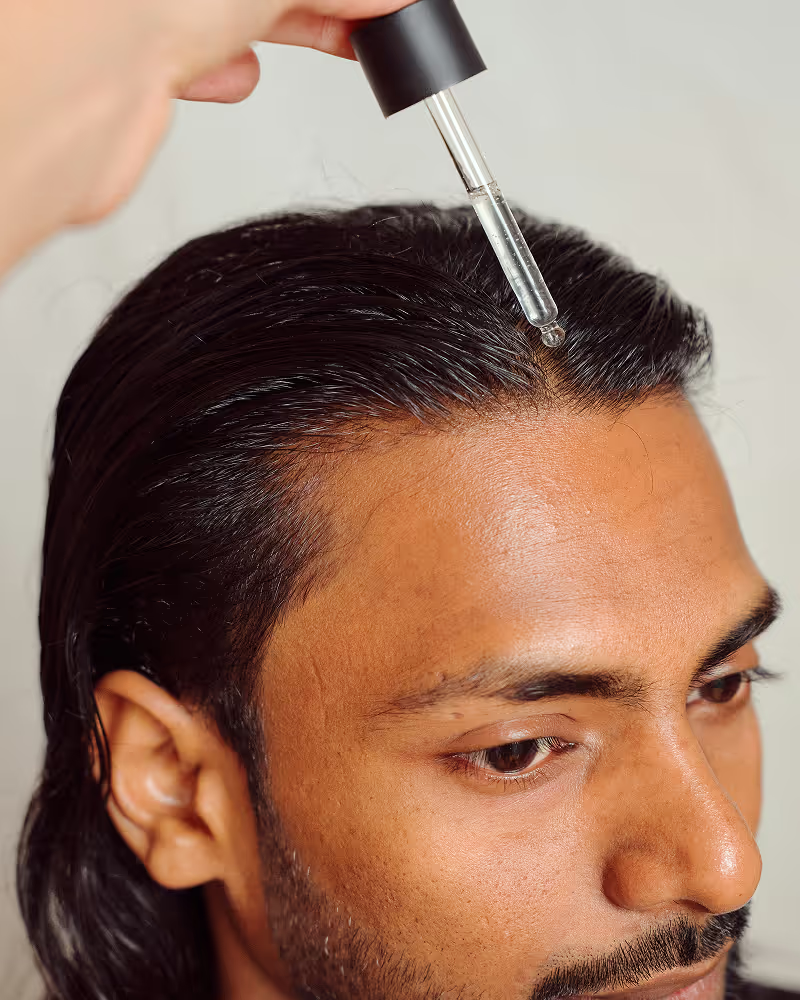
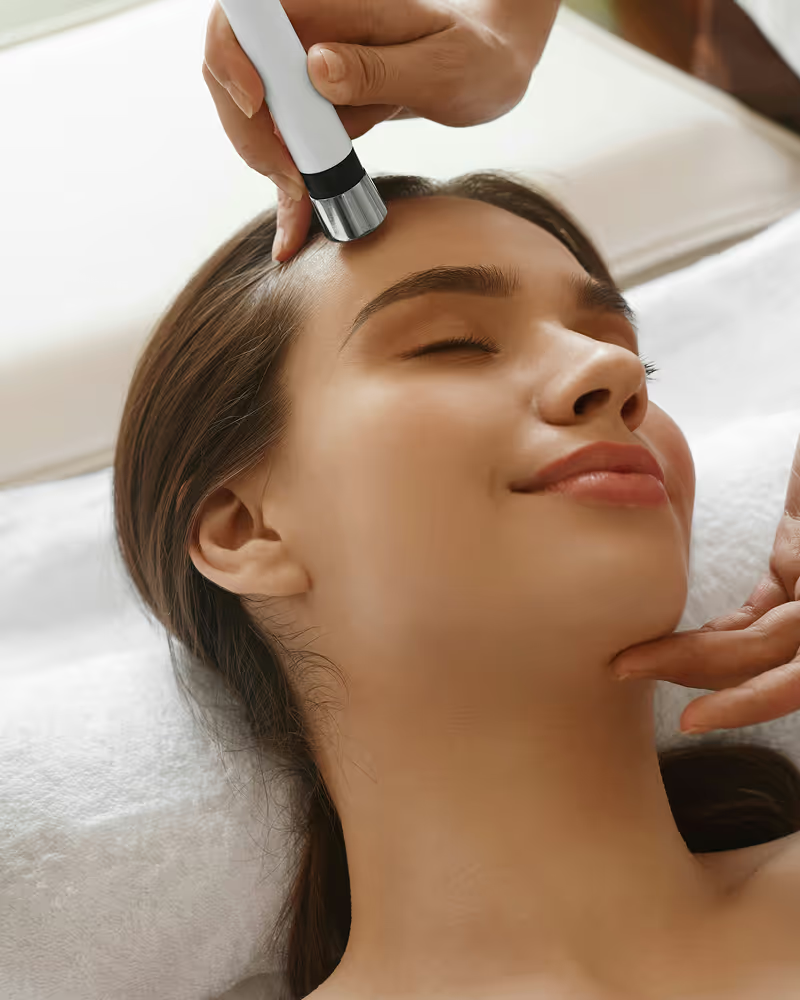
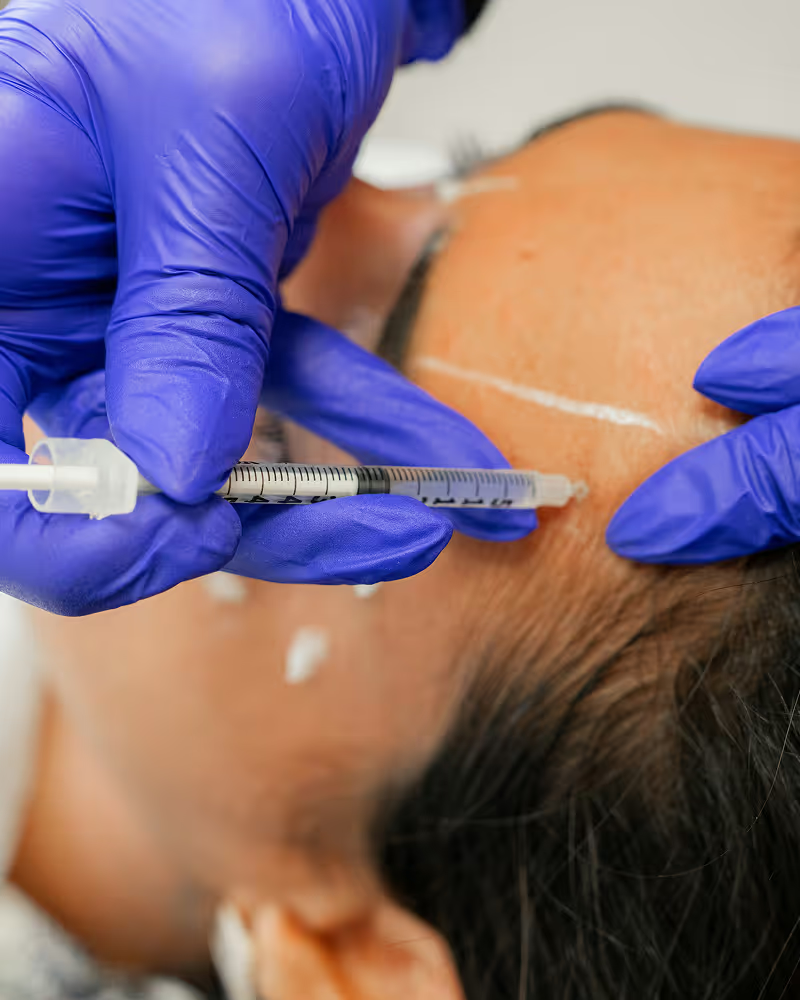
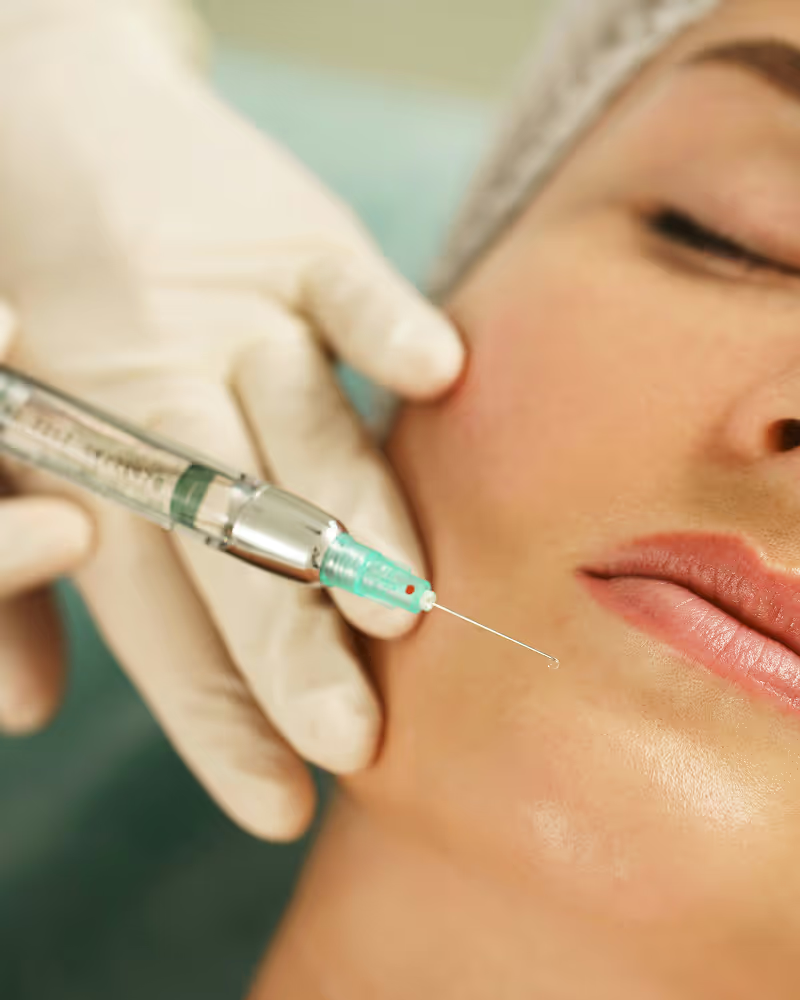
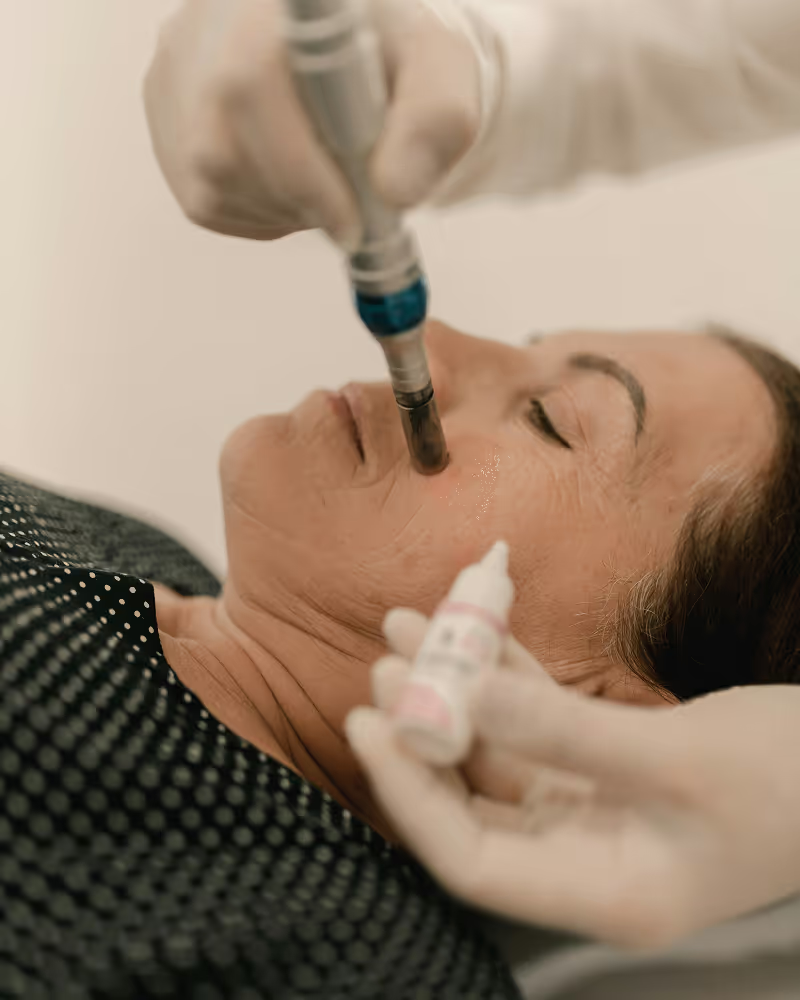
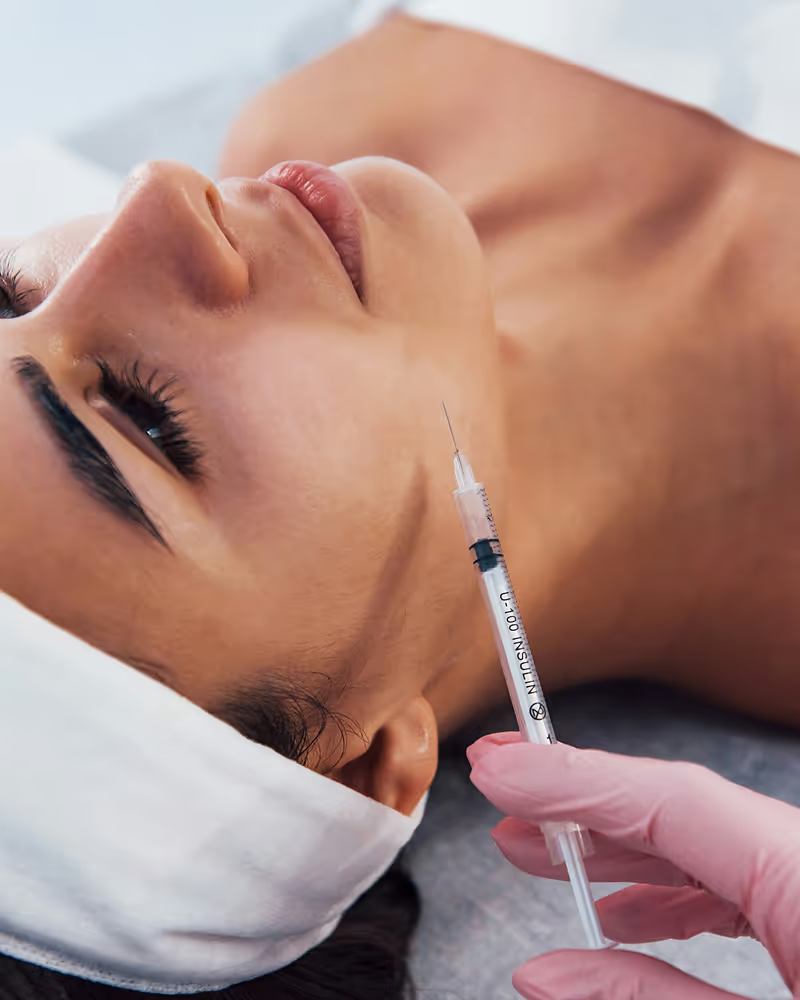
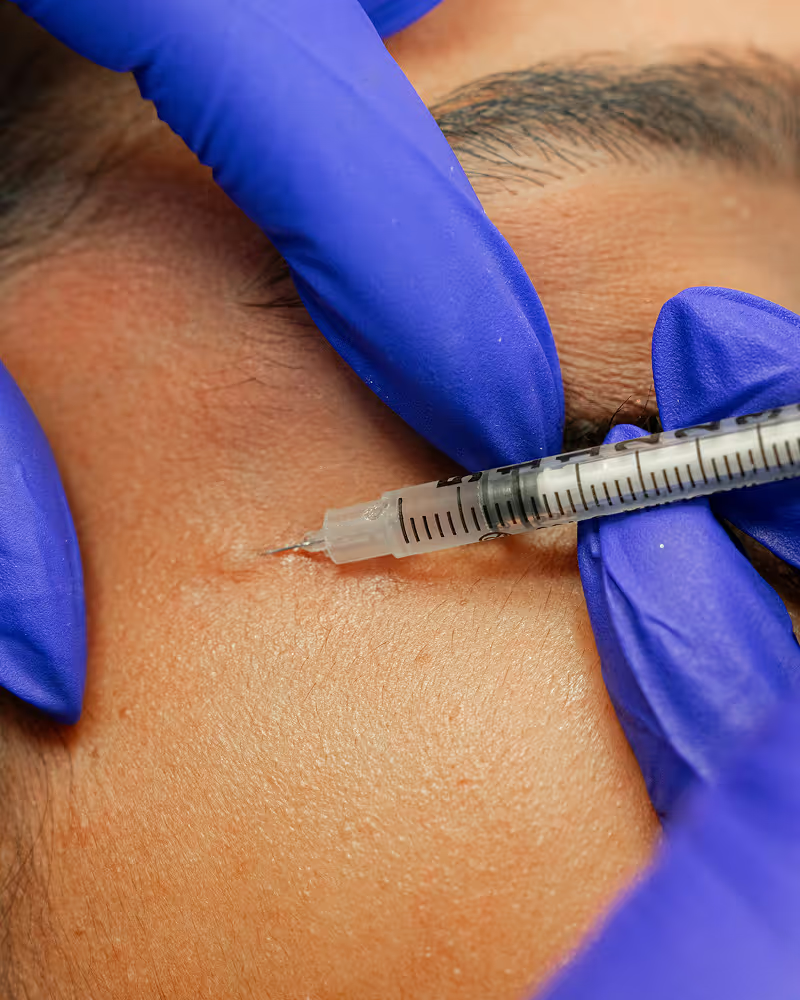
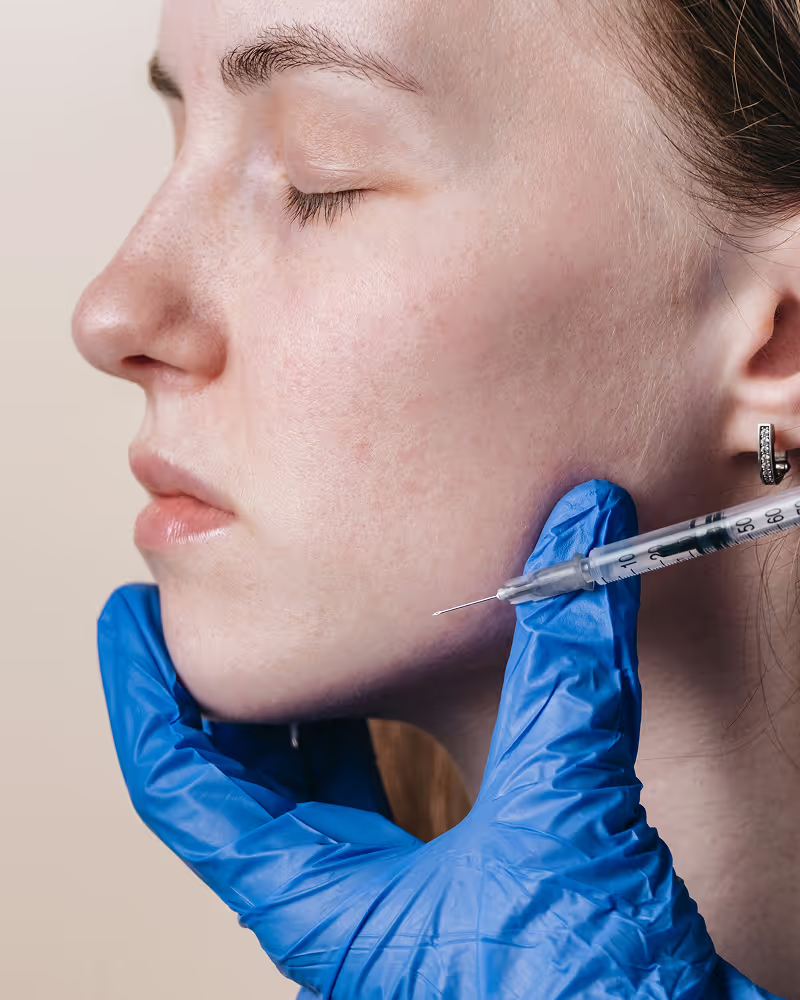
Modern non-surgical treatments are designed to support the face rather than change it. Depending on the concern, some people explore injectable treatments that help relax overactive facial muscles to soften expression-related lines. Others are more interested in treatments that support skin quality by improving hydration, texture, or collagen production over time.
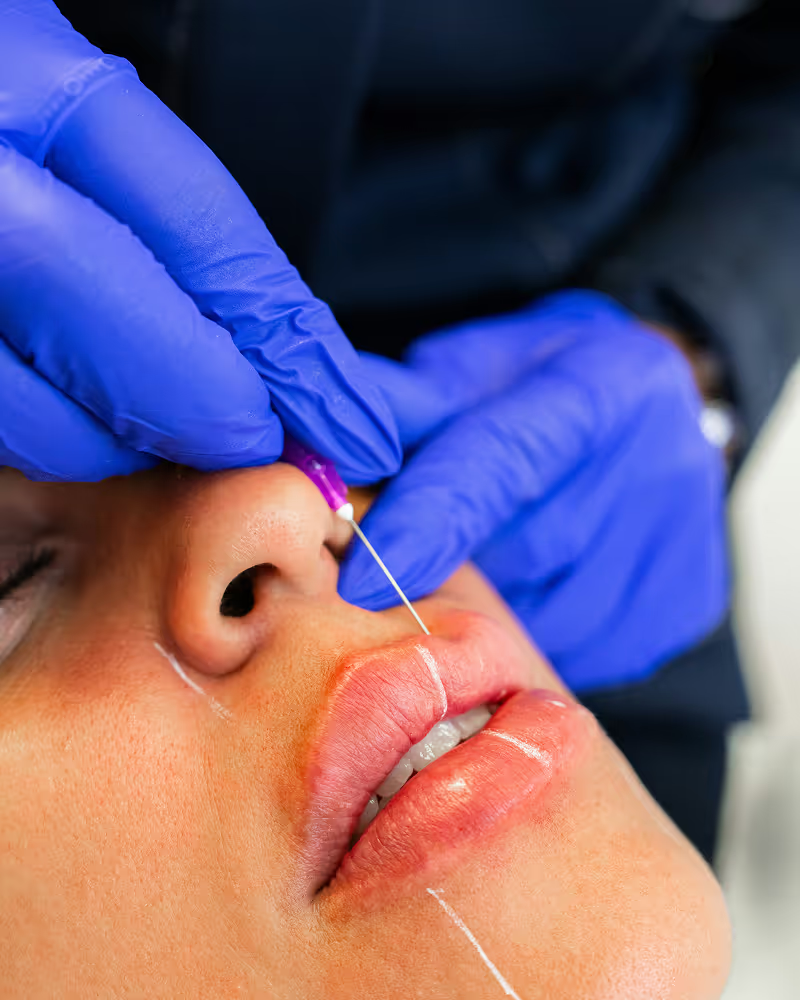
There are also treatments that focus on restoring subtle volume where facial support has changed gradually. These options are often discussed together, as combining approaches can lead to more balanced and natural-looking results. A full overview of available options can be found on our treatments page, where each approach is explained in more detail.
For example, someone concerned mainly with visible lines might explore anti-wrinkle injections, while another person focused on skin texture may be better suited to regenerative or biostimulatory treatments. In cases where volume loss is more noticeable, contour-supporting injectable treatments may be discussed during consultation.
When to consider a consultation
There’s no “right” time to explore aesthetic treatments. Some people seek advice early to support skin health and manage gradual changes, while others wait until facial ageing feels more established. What matters most is understanding what treatments can realistically achieve and whether they align with your goals.
A professional consultation allows for an individual assessment of skin condition, facial structure, and suitability for different options. If you’d like to explore this further, you can get in touch via our contact page, view pricing information, or book a consultation directly through our online booking system. For quick questions before booking, you can also reach out via WhatsApp.
Final thoughts
Facial ageing is a natural and highly individual process. While it can’t be reversed, understanding how the face changes over time can make treatment decisions feel clearer and less overwhelming. Non-surgical options exist to support skin health, facial balance, and confidence — when chosen carefully and tailored to the individual.
If you’re considering treatment, exploring both condition-based information and available treatment options can help you decide whether a consultation feels right and which concerns you’d like to address first.
.svg)